Best Rackets for Performance Upgrade: Top Choices to Improve Power, Control, and Overall Game Performance
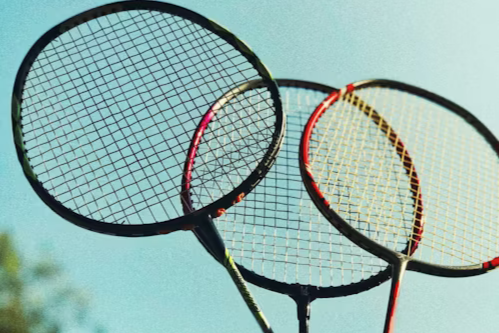
Best Rackets for a Performance Upgrade: A Journey Toward Better Play
I still remember the first time I realized my racket was holding me back.
It wasn’t during a dramatic match point or a high-stakes tournament. It was a quiet afternoon, just me and a friend rallying under a fading sky. Every shot I made felt… off. Not terrible, but not right either. My timing was there, my footwork had improved over months of practice, but the results didn’t match the effort. The ball lacked depth. My control wavered at the worst moments. And my arm? It was starting to feel the strain.
That was the day I stopped blaming my technique and started questioning my equipment.
Upgrading your racket isn’t just about buying something newer or more expensive—it’s about finding a tool that matches your growth. Whether you play tennis, badminton, or any racket sport, there comes a point where your current gear can no longer keep up with your potential. And when that moment comes, choosing the right racket can feel overwhelming.
Let me walk you through it—not as a salesperson, but as someone who’s been there.
When Do You Know It’s Time to Upgrade?
Before diving into specific rackets, it’s worth asking: Do you actually need an upgrade?
For me, the signs were subtle at first. Shots that used to feel effortless required more force. My control on precision shots—like drop shots or angled returns—became inconsistent. And perhaps the most telling sign was fatigue. My arm would tire faster than it should have, even during moderate play.
If you’re experiencing similar issues, your racket might not be suited for your current skill level anymore.
Other signs include:
- You’ve improved technically, but your shots aren’t improving with you
- Your racket feels either too heavy or too light
- You struggle with either power or control consistently
- You feel vibrations or discomfort after hitting
Upgrading isn’t about chasing trends—it’s about removing limitations.
Understanding What Makes a Racket “Better”
When I first started researching rackets, I assumed “better” meant “more expensive.” That’s not always true.
A better racket is one that complements your playing style.
There are three main aspects to consider:
1. Power vs. Control
Some rackets are designed to generate power effortlessly, while others give you precision and accuracy. If you’re someone who likes aggressive play, you might lean toward power. If you rely on placement and strategy, control becomes more important.
2. Weight and Balance
Heavier rackets can provide more stability and power, but they can also slow down your reaction time. Lighter rackets are easier to maneuver but may lack punch.
Balance matters too:
- Head-heavy rackets = more power
- Head-light rackets = more control and speed
3. Flexibility (Stiff vs. Flexible Shafts/Frames)
Stiffer rackets offer better control and faster response. Flexible ones help generate power, especially if your swing isn’t very fast yet.
When I switched rackets, I didn’t go for the most popular option. I went for the one that felt right. And that made all the difference.
Top Rackets for Performance Upgrade (Across Skill Levels)
Let’s talk about some standout options that players often turn to when they’re ready to level up. These aren’t just “good rackets”—they’re rackets that help unlock performance.
1. Yonex Astrox Series (Badminton)
If you’re a badminton player, the Yonex Astrox series is almost impossible to ignore.
I tried the Astrox 77 first, and the difference was immediate. The head-heavy balance gave my smashes more power without requiring extra effort. It felt like the racket was doing part of the work for me.
- Best for: Offensive players
- Strength: Power and steep attack angles
- Feel: Solid and slightly heavy at the head
For more advanced players, the Astrox 88D or 100ZZ offers even more precision and explosive power.
2. Yonex Arcsaber Series (Badminton)
After experimenting with power-focused rackets, I realized I missed control. That’s when I tried the Arcsaber series.
The Arcsaber 11, in particular, felt like a precision instrument. Every shot landed closer to where I intended. It didn’t give me instant power, but it rewarded good technique.
- Best for: All-around and control players
- Strength: Shot accuracy and consistency
- Feel: Balanced and responsive
This is the kind of racket that grows with you.
3. Babolat Pure Drive (Tennis)
Switching to tennis for a moment—this racket is iconic for a reason.
The first time I hit with the Pure Drive, I noticed how easy it was to generate depth. Even off-center shots had surprising power.
- Best for: Intermediate to advanced players
- Strength: Power and spin
- Feel: Explosive and lively
It’s a great upgrade if you feel like your shots lack penetration.
4. Wilson Blade Series (Tennis)
If the Pure Drive is about power, the Wilson Blade is about control and feel.
A friend once described it as “a racket that listens to you,” and I couldn’t agree more. It doesn’t exaggerate your shots—it reflects your technique.
- Best for: Players who value precision
- Strength: Control and feel
- Feel: Smooth and stable
This is the racket you choose when you trust your skills and want consistency.
5. Yonex Ezone Series (Tennis)
Somewhere between power and comfort lies the Yonex Ezone.
What stood out to me was how forgiving it felt. Even on days when my timing wasn’t perfect, the racket helped maintain performance.
- Best for: Players seeking comfort and balance
- Strength: Forgiveness and versatility
- Feel: Soft yet powerful
It’s an ideal upgrade if you want something reliable without being too demanding.
My Personal Turning Point
I remember the first match I played after upgrading my racket.
I didn’t suddenly become unbeatable. I still made mistakes. I still missed shots I shouldn’t have missed.
But something was different.
The good shots—the ones that landed perfectly, the ones that felt effortless—became more frequent. And more importantly, they felt repeatable.
That’s when I understood what a good racket really does: it doesn’t make you better overnight. It makes your progress visible.
Common Mistakes When Choosing a New Racket
Looking back, I made a few mistakes during my search. If you’re considering an upgrade, here are some things to avoid:
1. Choosing Based on Popularity Alone
Just because a professional uses a racket doesn’t mean it’s right for you. Their skill level, strength, and technique are completely different.
2. Ignoring Your Play Style
If you’re a defensive player, a power-heavy racket might feel uncomfortable. Always match the racket to how you play.
3. Overestimating Your Level
It’s tempting to buy an advanced racket, but if it’s too demanding, it can hurt your performance instead of improving it.
4. Skipping the “Feel Test”
Specs matter, but feel matters more. If possible, try the racket before buying.
The Emotional Side of Upgrading
This might sound strange, but upgrading your racket can feel personal.
Your old racket has been with you through every missed shot, every small victory, every moment of frustration and growth. Letting it go isn’t just about equipment—it’s about moving forward.
I kept my first serious racket even after upgrading. Not because I needed it, but because it reminded me of where I started.
And every time I pick up my new racket, I feel a quiet sense of responsibility—to play better, to train harder, and to justify the upgrade.
Final Thoughts: It’s Not Just the Racket
At the end of the day, a racket is just a tool.
It won’t fix poor footwork. It won’t replace practice. And it definitely won’t win matches on its own.
But the right racket can remove barriers. It can support your strengths, reduce your weaknesses, and make the game feel more natural.
If you’re standing at that point—wondering whether it’s time to upgrade—take a moment to reflect on your journey so far.
Think about how you play. Think about where you want to go.
And when you finally pick up that new racket for the first time, pay attention to that feeling. Not the brand, not the price—but the connection between you and the game.
Because that’s what really matters.
Related Post
Why Your Racket Feels Heavy: My Personal Journey of Fatigue, Overthinking, and Rediscovering My Natural Rhythm
Why Your Racket Feels Heavy — And What It Taught Me About More Than Just [...]
How to Avoid Fake Products Online: My Personal Story of Getting Scammed and the Lessons That Changed the Way I Shop Forever
How to Avoid Fake Products Online I remember the first time I got scammed online. [...]