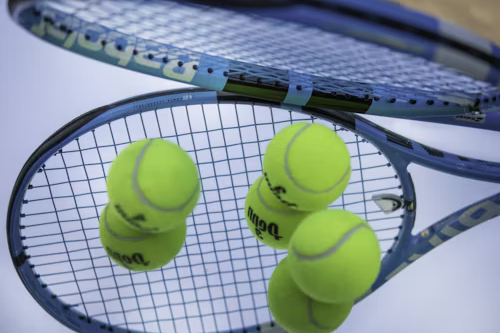
Most Recommended Rackets Review: Top Reliable Choices for Power, Control, Comfort, and Consistent Performance
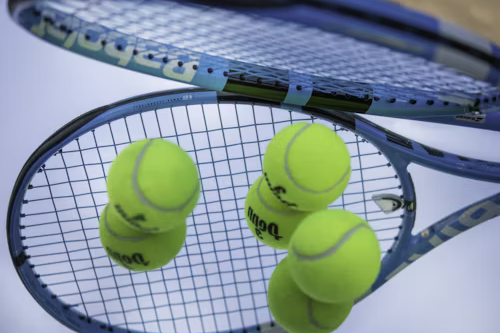
When I first started looking into the most recommended rackets, I thought it would be simple. You pick one, swing it, and that’s it—right? But the deeper I went, the more I realized that choosing a racket is a strangely personal journey. It’s not just about brands or specs. It’s about how it feels in your hand, how it responds in that split second before impact, and how it slowly becomes an extension of your own movement.
So instead of just listing rackets like a catalog, I want to continue this as a story—because that’s honestly how my experience unfolded.
The Moment I Realized My Old Racket Was Holding Me Back
There was a day I remember clearly. It was late afternoon, the kind of golden light that makes everything feel slower than it actually is. I was playing with a friend who had recently upgraded his racket. Nothing too flashy, just something newer, lighter, and supposedly “more forgiving.”
At first, I didn’t think much of it. But as we rallied, something felt off—not with him, but with me. My shots weren’t landing the way I wanted. My timing felt slightly delayed, and my arm got tired faster than usual.
Then I tried his racket.
That moment changed everything.
The difference wasn’t dramatic like in a movie, but it was enough. The swing felt smoother. The contact felt cleaner. And for the first time in a while, I didn’t feel like I had to fight my own equipment.
That’s when I started digging into what actually makes a racket “recommended.”
What Makes a Racket Stand Out?
Before I get into specific recommendations, let me share something I wish someone had told me earlier: there is no universally “best” racket.
What people really mean when they say “most recommended rackets” is this: rackets that work well for a wide range of players, especially those who are still figuring out their style.
From my experience, the most recommended rackets usually share a few key traits:
- They are forgiving on off-center hits
- They balance power and control
- They don’t strain your arm over long sessions
- They feel stable without being too heavy
It sounds simple, but getting all of that in one racket is harder than it seems.
My Experience With Popular Choices
As I started trying out different rackets, I kept hearing the same names over and over again. At first, I thought it was just marketing—but after testing them myself, I began to understand why they kept coming up.
1. The “Easy Power” Rackets
These are the ones people often recommend to beginners and intermediate players. The first time I used one, I noticed how effortless everything felt.
I didn’t have to swing as hard, yet the ball still traveled deep. It almost felt like the racket was doing part of the work for me.
But here’s the thing no one tells you right away: while they’re great for confidence, they can sometimes feel a bit too lively. When I tried to hit more precise shots, I had to adjust my control.
Still, I completely understand why these rackets are so popular. They make the game more enjoyable, especially when you’re still building consistency.
2. The “Control-Oriented” Rackets
After getting comfortable, I became curious about rackets designed for control. These are often recommended for more advanced players, but I wanted to see what the difference felt like.
The first hit was… humbling.
The power wasn’t there unless I generated it myself. But what I gained instead was something new: precision.
Shots went exactly where I aimed—when I executed them correctly. And that’s the catch. These rackets don’t hide your mistakes. They expose them.
At first, it was frustrating. But over time, I started to appreciate that honesty. It pushed me to improve rather than rely on the racket to compensate.
3. The “Balanced” Rackets (My Personal Favorite)
Somewhere in between power and control lies what I now consider the sweet spot.
Balanced rackets don’t stand out immediately. They don’t give you that instant “wow” feeling like power rackets do. But the longer you play with them, the more you notice how reliable they are.
That’s exactly what happened to me.
Game after game, I realized I wasn’t thinking about the racket anymore—and that’s actually a good thing. It meant everything felt natural.
If I had to recommend one type of racket for most people, especially those who play regularly but aren’t professionals, it would be this category.
The Role of Feel (Something You Can’t Measure on Paper)
If there’s one thing I underestimated, it’s feel.
Specs are helpful—weight, balance, head size—but they don’t tell the whole story. Two rackets can look almost identical on paper and feel completely different in real life.
I remember narrowing my choices down to two rackets. On paper, they were nearly the same. But when I played:
- One felt slightly “hollow” on impact
- The other felt solid, almost like the ball stayed on the strings a fraction longer
Guess which one I chose?
That subtle difference made all the difference.
Mistakes I Made (So You Don’t Have To)
Looking back, I made a few mistakes that are worth sharing.
Buying Based on Hype
At one point, I almost bought a racket just because a famous player used it. It looked amazing, and every review praised it.
But then I paused and asked myself: Do I actually play like that person?
The answer was obvious.
What works for professionals doesn’t always work for the rest of us.
Ignoring Comfort
Another mistake was focusing too much on performance and ignoring how my arm felt after playing.
One racket gave me great shots—but after an hour, my arm felt sore. That’s not something you should ignore.
A good racket should not only help your game but also protect your body.
Not Testing Enough
If there’s one thing I’d strongly recommend, it’s this: try before you buy whenever possible.
Even a short session can tell you more than hours of reading reviews.
How I Finally Chose My Racket
After trying multiple options, I didn’t have a dramatic “this is the one” moment.
Instead, it was quieter than that.
I noticed which racket I kept going back to. The one that didn’t make me think too much. The one that felt consistent, even on bad days.
That’s when I realized: the best racket isn’t the one that impresses you instantly—it’s the one that stays with you.
Recommendations Based on Different Players
If you’re reading this and wondering where you fit, here’s a simple way to think about it:
If You’re a Beginner
Go for something forgiving and easy to use. You want a racket that helps you enjoy the game, not one that punishes every mistake.
If You’re Intermediate
Look for balance. This is where you start developing your style, so having a versatile racket helps.
If You’re Advanced
You probably already know what you like. At this point, it’s about fine-tuning—finding a racket that matches your exact preferences.
The Emotional Side of It (Something People Don’t Talk About)
This might sound strange, but choosing a racket is not just a technical decision—it’s also emotional.
There’s something about finding a piece of equipment that fits you so well that it builds your confidence.
I remember walking onto the court with my new racket for the first time. It wasn’t magic—I didn’t suddenly become a better player overnight. But I felt more prepared, more comfortable.
And that mindset alone changed how I played.
Final Thoughts
If you came here looking for a simple answer like “this is the best racket,” I get it. I wanted that too.
But the truth is more nuanced.
The most recommended rackets are recommended for a reason—they’re reliable, versatile, and widely trusted. But the best one for you depends on your own experience, your style, and even your personality on the court.
So take your time.
Try different options.
Pay attention to how each one feels—not just in your hands, but in your game.
Because at the end of the day, the right racket doesn’t just help you play better.
It makes you want to play more.
And that’s what really matters.
Related Post
Beginner’s Guide to Tennis Equipment: Essential Gear Tips for Comfort, Performance, and Getting Started with Confidence
Beginner Guide to Tennis Equipment I still remember the first time I walked into a [...]
Real Player Review of the Best Rackets: Honest Insights on Power, Control, Comfort, and Finding the Right Fit for Your Game
Real Player Review: The Best Rackets — A Story from the Court I still remember [...]