How to Choose a Racket for Singles: My Personal Journey of Finding Balance, Control, and Confidence on the Court
How to Choose a Racket for Singles: A Personal Journey Into Precision, Control, and Confidence
I still remember the first time I walked onto a badminton court alone, no doubles partner to rely on, no one to cover my mistakes. It was just me, my opponent, and a racket that—at the time—felt like nothing more than a random choice from a sports shop shelf. I didn’t think much about it back then. A racket was just… a racket, right?
I couldn’t have been more wrong.
Singles badminton is a different world. It’s quieter in a strange way, even when the rallies are intense. Every shot you make carries more weight because there’s no one else to share the responsibility. And over time, I realized something important: your racket isn’t just equipment. It becomes your voice on the court.
Choosing the right racket for singles isn’t about picking the most expensive one or the one your favorite player uses. It’s about understanding yourself—your strengths, your weaknesses, and how you want to play the game.
Let me walk you through what I’ve learned, not as a checklist, but as a journey.
1. The Moment You Realize Your Racket Matters
For a long time, I used a head-heavy racket because someone told me it would give me stronger smashes. And yes, my smashes were powerful—but I was always late to the shuttle during long rallies. My wrist felt tired halfway through matches, and my defense was slow.
It wasn’t until I lost a match I should have won that I started questioning my choice.
In singles, you don’t just attack. You defend, you control, you wait, and sometimes you survive. That’s when I began to understand that choosing a racket isn’t about maximizing one skill—it’s about balance.
2. Understanding Your Playing Style (Before You Buy Anything)
Before you even look at rackets, pause and ask yourself:
- Do you like attacking with smashes?
- Or do you prefer controlling rallies and moving your opponent?
- Do you rely on speed and quick reactions?
- Or do you play a patient, strategic game?
I used to think I was an aggressive player. But when I watched recordings of my matches, I noticed something surprising—I won more points through placement and endurance than power.
That realization changed everything.
If you’re an attacking player, you might prefer a head-heavy racket. It gives you more momentum for smashes. But be careful—it can slow down your defense.
If you’re a control or defensive player, a head-light or even-balanced racket will feel quicker in your hands, helping you react faster.
And if you’re somewhere in between (like most of us), an even-balanced racket is often the safest and smartest choice.
3. Weight: The Silent Factor That Changes Everything
I didn’t pay attention to racket weight at first. It seemed like a minor detail. But in singles, where rallies can last forever, weight becomes your best friend—or your worst enemy.
Badminton rackets are usually categorized like this:
- 2U (90–94g) – heavy
- 3U (85–89g) – medium-heavy
- 4U (80–84g) – medium-light
- 5U (75–79g) – light
When I switched from a 3U to a 4U racket, I noticed something immediately: I could last longer in rallies without feeling exhausted.
Lighter rackets help with speed and endurance, which are crucial in singles. But there’s a trade-off—they might lack power in smashes.
So the real question is: Do you want power, or do you want stamina?
For most singles players, especially beginners to intermediate, a 4U racket is a great starting point. It offers a good balance between control and energy conservation.
4. Shaft Flexibility: The Feel You Didn’t Know You Needed
This is one of those things I ignored for too long.
Rackets come with different shaft flexibilities:
- Stiff
- Medium
- Flexible
At first, I thought “stiff” sounded more professional, so I chose a stiff racket. Big mistake.
A stiff shaft requires good technique and fast swing speed. If you don’t have that yet, your shots will feel weak and inconsistent.
When I switched to a medium-flex racket, everything changed. My clears went farther. My smashes felt smoother. I didn’t have to force my shots anymore.
Here’s a simple way to think about it:
- Flexible shaft → Helps generate power easily (good for beginners)
- Medium shaft → Balanced performance (good for most players)
- Stiff shaft → Maximum control (best for advanced players)
If you’re still developing your technique, don’t rush into stiff rackets. Let the racket support you, not punish you.
5. Balance Point: Where the Magic Happens
This is where things get interesting.
The balance point determines how the weight is distributed in your racket:
- Head-heavy → More power
- Even balance → All-around performance
- Head-light → Faster handling
When I first tested different balance types, I was surprised by how different they felt. A head-heavy racket felt like swinging a hammer—powerful but slower. A head-light racket felt like holding a feather—fast but less impactful.
For singles, you might think power is everything. But it’s not.
Singles is about control, endurance, and precision. You’re covering the entire court alone. You need a racket that allows you to react quickly, especially during defensive situations.
That’s why many experienced singles players eventually settle on even-balanced rackets. They don’t excel in just one area—they support your entire game.
6. String Tension: The Hidden Game-Changer
I didn’t realize how much string tension mattered until I tried a racket strung at a higher tension.
Suddenly, my shots felt sharper. More precise. But also less forgiving.
Here’s the general idea:
- Low tension (18–22 lbs) → More power, less control
- Medium tension (23–26 lbs) → Balanced
- High tension (27+ lbs) → More control, less power
In singles, control is crucial. You’re placing shots, not just hitting them.
But if your tension is too high and your technique isn’t ready, you’ll struggle.
I found my comfort zone around 24–25 lbs. It gave me enough control without sacrificing too much power.
7. The Emotional Side of Choosing a Racket
This might sound strange, but choosing a racket is also emotional.
There’s a moment—when you pick up the right racket—where everything just clicks. Your movements feel natural. Your shots feel effortless. You stop thinking and start playing.
I didn’t believe this until it happened to me.
After trying several rackets, I found one that didn’t feel extraordinary at first. But after a few games, I realized something: I wasn’t fighting against it anymore.
And that’s when I knew.
8. Mistakes I Wish I Had Avoided
If I could go back, I would tell myself a few things:
- Don’t buy a racket just because a professional uses it.
- Don’t assume more expensive means better for you.
- Don’t ignore comfort—if it feels wrong, it probably is.
- Don’t rush the decision.
Choosing a racket is a process. It takes time, testing, and sometimes a few wrong choices.
And that’s okay.
9. Practical Tips Before You Make Your Final Decision
If you’re about to buy a racket, here’s what I’d suggest:
- Try holding it before buying, if possible.
- Borrow rackets from friends to test different types.
- Start with an even-balanced, medium-flex racket if unsure.
- Focus on how it feels during long rallies, not just smashes.
Because in singles, matches aren’t won in one shot—they’re won over time.
10. In the End, It’s Not Just About the Racket
After all this, you might think choosing the perfect racket is the key to winning.
It’s not.
The racket is just a tool. A very important one—but still just a tool.
Your mindset, your discipline, your ability to stay calm under pressure—those matter more.
But the right racket? It supports you. It brings out your strengths. It makes the game feel… right.
And when that happens, you stop worrying about your equipment.
You just play.
Closing Thoughts
If you’re standing in a sports shop right now, staring at a wall full of rackets and feeling overwhelmed—I’ve been there.
Take a breath. Think about how you play. Think about what you need.
And remember: the best racket isn’t the most powerful or the most popular.
It’s the one that feels like an extension of you.
Because in singles, there’s no one else to rely on.
Just you—and the choices you make.
Related Post
Best Time to Buy Rackets: My Personal Journey of Learning Timing, Patience, and Making Smarter Buying Decisions
Best Time to Buy Rackets: A Personal Journey Through Timing, Patience, and Smart Choices I [...]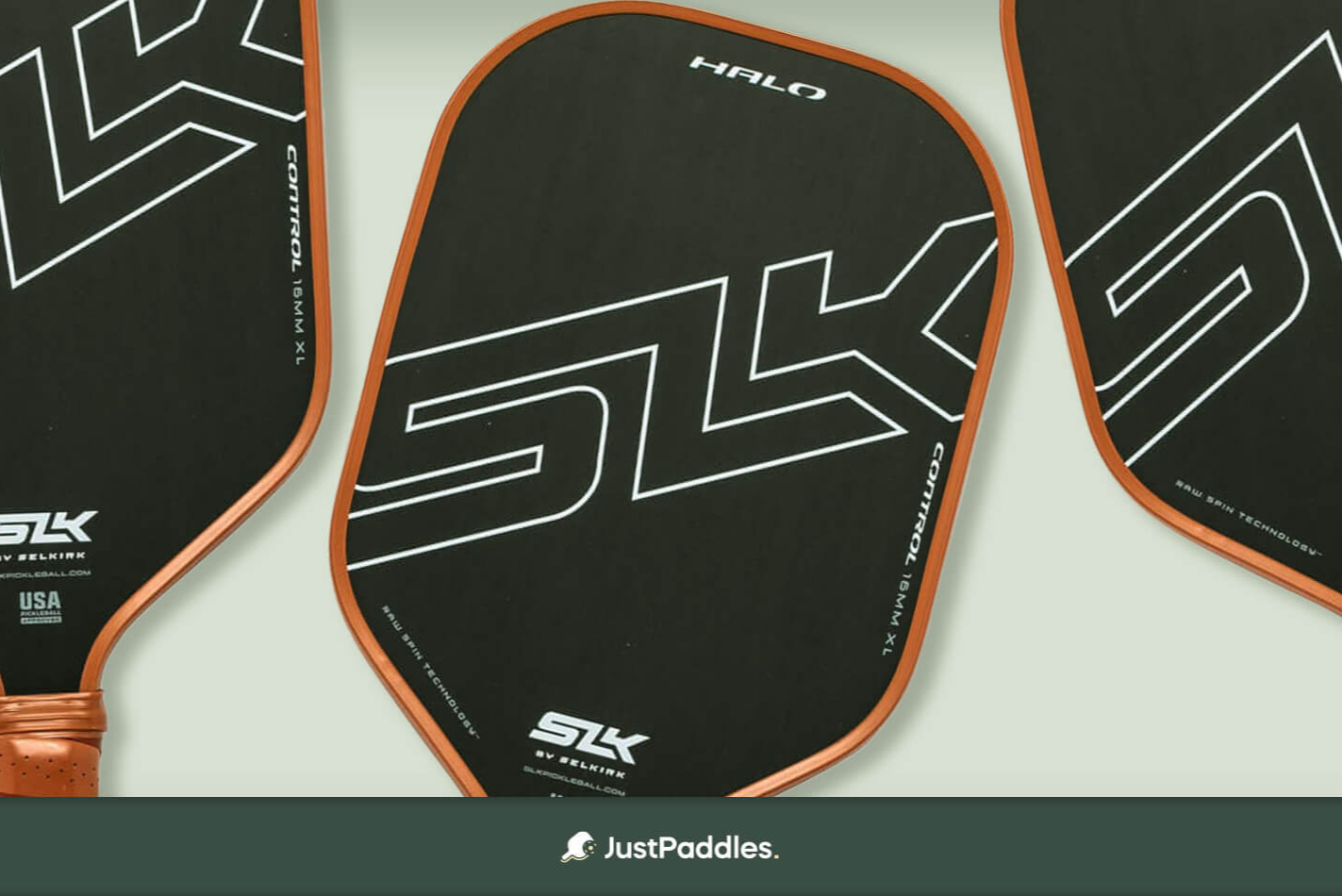
Selkirk Pickleball Paddle Review: A Complete Guide to Performance, Control, Spin, and Comfort for Players Looking to Improve Their Game with Confidence
Selkirk Pickleball Paddle Review – A Journey from Curiosity to Confidence on the Court I [...]