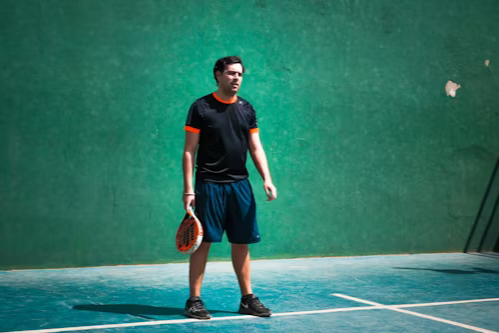
Best Beginner Rackets Review: Top Easy-to-Use Options for Comfort, Control, and Confidence When Starting Out
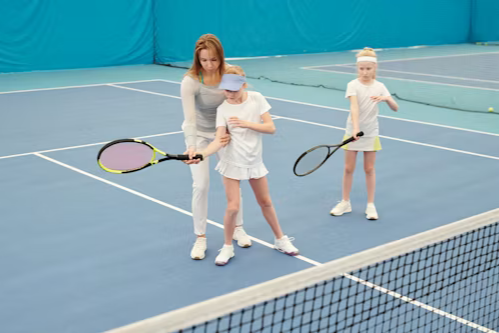
Best Beginner Rackets Review
I still remember the first time I walked into a sports shop, staring at rows of rackets hanging like mysterious tools of a craft I didn’t yet understand. They all looked similar at a glance—strings, frames, grips—but somehow, each one carried a different promise. Power, control, speed, forgiveness. At that moment, I didn’t need perfection. I just needed something that wouldn’t fight against me while I was still learning how to play.
If you’re here, chances are you’re standing in that same moment of uncertainty. Choosing your first racket can feel oddly overwhelming, especially when every brand claims theirs is “perfect for beginners.” But over time—and after trying more rackets than I’d like to admit—I’ve come to understand what actually matters when you’re just starting out.
Let me walk you through it—not like a salesperson, but like someone who’s been there.
Why Your First Racket Matters More Than You Think
At the beginning, it’s tempting to believe that skill matters more than equipment. And yes, practice is everything. But the truth is, the wrong racket can make learning harder than it needs to be.
A beginner racket isn’t about maximizing performance—it’s about reducing frustration.
You’ll mishit shots. Your timing will be off. Your grip might feel awkward. A good beginner racket forgives those mistakes. It gives you a larger sweet spot, better stability, and enough power so you don’t feel like every shot requires maximum effort.
The right racket doesn’t make you a great player overnight—but it helps you enjoy the process of becoming one.
What I Learned the Hard Way
My first racket was… not beginner-friendly.
It was sleek, professional-looking, and way too advanced for me. I picked it because it looked cool and because someone told me “this is what the pros use.” Big mistake.
It was heavy. The sweet spot was small. Every time I missed—even slightly—the vibration traveled straight into my arm like a reminder that I wasn’t ready for it.
I didn’t improve faster. I just got tired faster.
That experience taught me something simple but important: the best racket is not the most expensive one—it’s the one that matches your level.
Key Features to Look for in a Beginner Racket
Over time, I started noticing patterns. The rackets that felt easier to play with shared certain characteristics. If you’re choosing your first racket, here’s what actually matters:
1. Lightweight Design
A lighter racket is easier to swing, especially when you’re still developing technique. It helps you react faster and reduces strain on your arm.
You don’t need something ultra-light, but definitely avoid heavy, professional-level rackets in the beginning.
2. Larger Sweet Spot
This is crucial. A larger sweet spot means even imperfect shots can still feel decent. It builds confidence—and confidence keeps you coming back to play.
3. Balanced or Head-Light Feel
Beginner rackets often lean toward balanced or slightly head-light designs. This makes them easier to control and maneuver, especially during quick exchanges.
4. Comfortable Grip
This is underrated. If the grip doesn’t feel right, everything else suffers. Make sure it sits naturally in your hand—not too big, not too small.
5. Forgiveness Over Precision
At this stage, you don’t need a racket that rewards perfect technique. You need one that forgives imperfect technique.
Top Beginner Rackets That Actually Deliver
Now let’s talk about some rackets that consistently stand out for beginners—not because they’re flashy, but because they work.
1. Yonex Nanoray Series (e.g., Nanoray 10F / 20)
I remember borrowing a Nanoray from a friend, and the difference was immediate. It felt light, responsive, and surprisingly easy to control.
- Great for: speed and quick reactions
- Feel: light and effortless
- Why beginners love it: it doesn’t punish you for mistakes
This is one of those rackets that quietly supports your learning without getting in the way.
2. Wilson Blaze Series
Wilson often flies under the radar in racket sports like badminton, but their beginner models are surprisingly solid.
- Great for: balance between power and control
- Feel: stable and forgiving
- Why beginners love it: consistent performance without needing perfect form
It’s a “safe choice” in the best way possible.
3. Li-Ning XP Series
Li-Ning has grown massively in popularity, and their beginner rackets are very approachable.
- Great for: all-around play
- Feel: slightly flexible, easy to generate power
- Why beginners love it: helps with clears and basic shots
If you struggle with power early on, this type of racket can really help.
4. Babolat First Series
Babolat is known more for tennis, but their entry-level badminton rackets are beginner-friendly and durable.
- Great for: durability and comfort
- Feel: solid and reliable
- Why beginners love it: low maintenance and easy to use
This is the kind of racket you can grow with for a while.
5. Victor Arrow Series (Beginner Models)
Victor rackets often have a slightly sharper feel, but their beginner lines are quite accessible.
- Great for: learning control
- Feel: slightly more precise but still forgiving
- Why beginners love it: helps transition to intermediate level
If you think you’ll stick with the sport long-term, this is a nice stepping stone.
The Emotional Side of Choosing Your First Racket
This might sound strange, but your first racket becomes part of your story.
You’ll remember the first clean shot you hit. The first rally that didn’t fall apart after three hits. The first time you felt like, “Okay… I’m actually getting better.”
And often, that progress isn’t just about you—it’s also about having a tool that supports you.
I still remember the first time I used a racket that actually suited me. The game slowed down. My shots felt more controlled. I wasn’t fighting the equipment anymore—I was finally learning the sport.
That shift is subtle, but powerful.
Common Mistakes Beginners Make (So You Don’t Have To)
If I could go back and give myself advice, here’s what I’d say:
- Don’t buy based on looks
- Don’t choose what professionals use
- Don’t assume higher price = better for you
- Don’t ignore comfort
And most importantly:
Don’t overthink it.
Your first racket doesn’t need to be perfect. It just needs to be good enough to help you start.
How Much Should You Spend?
This is another area where people get stuck.
You don’t need to spend a lot.
A solid beginner racket usually sits in a very reasonable price range. Going too cheap might affect durability, but going too expensive often means paying for features you don’t yet need.
Think of it like this: you’re not buying your forever racket—you’re buying your learning racket.
When Should You Upgrade?
At some point, you’ll feel it.
Your shots become more consistent. You start noticing what your racket can’t do. Maybe you want more power, or more precision.
That’s when it’s time to upgrade—not before.
A good rule of thumb: if you’re still learning basic techniques, stick with your beginner racket. Once you feel limited by it, then start exploring intermediate options.
Final Thoughts
Choosing your first racket isn’t about finding the “best” one. It’s about finding the right starting point.
Something that feels comfortable in your hand. Something that doesn’t punish you for learning. Something that makes you want to keep playing, even after a bad session.
Because in the end, that’s what matters most.
Not the brand. Not the specs. Not even the performance.
Just the feeling that you’re improving—one swing at a time.
And trust me, once that feeling kicks in, you won’t stop.
Related Post
Cyber Monday Racket Deals: A Personal Story of Rediscovering Passion, Finding the Right Racket, and Starting Again
Cyber Monday Racket Deals: A Story of Strings, Savings, and Second Chances I didn’t plan [...]
How to Choose a Racket for Seniors: A Personal Story of Rediscovering the Game with Comfort, Ease, and Confidence
How to Choose a Racket for Seniors: A Story of Rediscovery, Comfort, and Joy on [...]