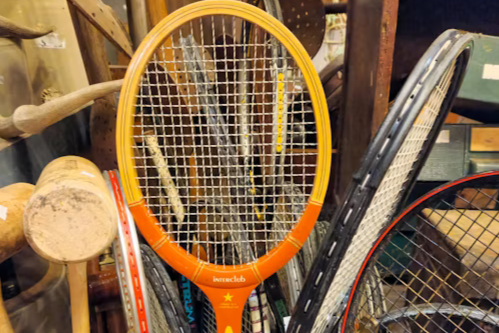
Budget vs Premium Rackets: My Personal Journey of Understanding the Real Differences and Choosing What Truly Fits My Game
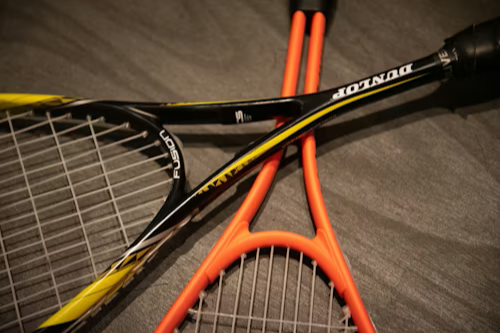
Budget vs Premium Rackets Guide
I still remember the first time I held a “premium” racket in my hands. It wasn’t mine, of course. It belonged to a senior player at the club—someone everyone watched quietly, the kind of player who didn’t need to show off because their game already spoke loud enough. He handed it to me for a few rallies, and for a moment, I felt like I had stepped into a different world. The sound, the balance, the way the shuttle seemed to obey—it all felt… effortless.
But when I gave it back and picked up my own budget racket, reality returned. And with it, a question that almost every player asks at some point:
Does a premium racket really make that much of a difference?
Over the years, after trying dozens of rackets across price ranges—some borrowed, some saved up for, and a few regretted purchases—I’ve come to realize that the answer isn’t as simple as “yes” or “no.” It’s more like a story with layers, shaped by experience, skill level, and even expectations.
Let’s keep unpacking that story.
The Illusion of Instant Improvement
When most players think about upgrading from a budget to a premium racket, there’s often this quiet belief: this will fix my game.
I’ve been there. I saved for months to buy a high-end racket, convinced that it would sharpen my smashes, improve my control, and somehow make me play like the athletes I watched online. But the first few games with it were… confusing.
The shots didn’t magically become better. In fact, some felt worse.
That’s when I learned something important:
Premium rackets don’t fix your weaknesses—they expose them.
A budget racket is often more forgiving. It absorbs mistakes, softens off-center hits, and doesn’t demand perfect timing. A premium racket, on the other hand, is like a strict teacher. If your technique is off, it won’t hide it. You’ll feel every mistimed swing, every misjudged angle.
And that’s not a bad thing. It just means you need to be ready for it.
Materials: What Are You Really Paying For?
One of the biggest differences between budget and premium rackets lies in the materials.
Budget rackets are typically made with aluminum, basic graphite, or a mix of both. They’re sturdy, reliable, and designed to handle general play without too much fuss.
Premium rackets, though, are built differently. You’ll hear terms like high-modulus graphite, nanocarbon, or advanced composite materials. These aren’t just marketing words—they do change how the racket behaves.
But here’s the thing:
The difference is subtle unless you know what to feel for.
With premium materials, you might notice:
- A cleaner, sharper feedback on impact
- Better energy transfer (meaning your shots feel more “alive”)
- Reduced vibration, making the racket feel smoother
To a beginner, these differences might feel negligible. To an experienced player, they can feel like night and day.
It’s a bit like listening to music. Cheap earphones play the song. High-end headphones reveal the layers.
Weight and Balance: The Hidden Personality
If materials are the body of the racket, then weight and balance are its personality.
Budget rackets often stick to safer, more neutral designs. They’re slightly heavier, more durable, and easier to control for casual play. You don’t have to think too much—you just swing.
Premium rackets, however, come in a wide variety of personalities:
- Head-heavy for powerful smashes
- Head-light for quick reactions and defense
- Even balance for all-around play
When I first switched to a head-heavy premium racket, I was amazed by how much extra power I could generate. But after a few games, my arm started to tire faster. Defense became harder. I realized that what felt powerful wasn’t necessarily what suited my style.
That’s the catch:
Premium rackets give you options—but also require you to understand yourself.
Durability: A Surprising Twist
You’d think that more expensive means more durable. But that’s not always the case.
Budget rackets are often built to take a beating. They’re thicker, less fragile, and more forgiving when you accidentally clash rackets or hit the floor.
Premium rackets, despite their advanced materials, can sometimes be more delicate. They’re engineered for performance, not abuse. A mistimed clash during doubles can lead to cracks—or worse.
I learned this the hard way during a match when my brand-new racket didn’t survive a single collision. It was painful—not just for my wallet, but for my confidence too.
So if you’re someone who plays intense doubles games or is still working on control, durability is something to think about carefully.
The Psychological Factor
This is the part that no one really talks about—but it matters more than we admit.
Using a premium racket can change how you feel about your game.
Sometimes, it boosts confidence. You stand taller, swing harder, believe in your shots. And that belief alone can improve your performance.
Other times, it creates pressure. You start thinking:
“I spent so much on this. Why am I still making mistakes?”
That pressure can make you overthink, tighten your grip, and lose the natural flow of your game.
On the other hand, a budget racket can feel freeing. You don’t worry about damaging it. You play more casually, more naturally.
In a strange way, the “cheaper” option can sometimes help you play better—because you’re not carrying expectations.
Who Should Choose Budget Rackets?
If I could go back and talk to my younger self, I’d say this:
Stick with a budget racket if you are:
- Just starting out and still learning basic techniques
- Playing casually or occasionally
- Unsure about your playing style
- Not ready to worry about damaging expensive gear
There’s no shame in using a budget racket. In fact, many players stay with them for years and still enjoy the game fully.
Because at the end of the day, it’s not the price tag that determines your love for the sport—it’s the experience.
Who Should Consider Premium Rackets?
Now, premium rackets start to make sense when:
- You’ve developed consistent technique
- You understand your strengths (power, speed, control)
- You play regularly and want to improve
- You can actually feel and appreciate subtle differences
When you reach this stage, a premium racket doesn’t just feel better—it becomes a tool that enhances your strengths.
But even then, it’s not about buying the most expensive option. It’s about finding the right one.
The Middle Ground: Often Overlooked
Here’s something I wish more people talked about:
Mid-range rackets exist—and they’re often the smartest choice.
They combine:
- Decent materials
- Good durability
- Balanced performance
- Affordable pricing
In many cases, the difference between a mid-range and a top-tier premium racket is noticeable—but not game-changing.
For most players, especially those who play regularly but not professionally, mid-range rackets offer the best value.
They don’t demand perfection, but they still reward good technique.
A Personal Reflection
Looking back, I don’t regret buying premium rackets. They taught me a lot—about my game, my preferences, and even my mindset.
But I also don’t regret the years I spent with budget rackets. Those were the years I learned to enjoy the game without overthinking it.
If anything, the journey between the two mattered more than the destination.
Because the truth is:
No racket—no matter how expensive—can replace time, practice, and passion.
Final Thoughts
So, budget vs premium—what’s the better choice?
It depends on where you are in your journey.
A budget racket is like a reliable companion. It’s there for you, forgiving your mistakes, letting you grow at your own pace.
A premium racket is more like a demanding coach. It pushes you, challenges you, and rewards precision.
Neither is better in absolute terms. They simply serve different purposes at different times.
If you’re unsure, don’t rush. Try different rackets if you can. Borrow from friends. Pay attention to how they feel—not just in your hands, but in your game.
Because in the end, the best racket isn’t the most expensive one.
It’s the one that makes you want to step onto the court again and again, chasing that perfect shot—even if you haven’t found it yet.
Related Post

What Racket Weight Should You Choose? (2026 Guide – Find Your Perfect Balance)
Last updated: March 2026 | Beginner to advanced guide I still remember the first time [...]
How to Avoid Fake Products Online: My Personal Story of Getting Scammed and the Lessons That Changed the Way I Shop Forever
How to Avoid Fake Products Online I remember the first time I got scammed online. [...]