Where to Buy Rackets in the US: My Personal Journey from Big Stores to Specialty Shops and Finding the Right Fit
When I first started looking for a good place to buy rackets in the United States, I didn’t expect the journey to feel so… personal. It wasn’t just about finding a piece of sports equipment. It was about figuring out what kind of player I wanted to be, how serious I was about improving, and—honestly—how much I was willing to invest in something that would shape my experience on the court.
At first, I thought it would be simple. “Just search online,” I told myself. “Pick something with good reviews.” But the more I looked, the more I realized that buying a racket in the U.S. isn’t just a transaction—it’s an experience, and there are layers to it.
Let me take you through that journey.
The First Stop: Big Sporting Goods Stores
My first instinct was to visit the big names—Dick’s Sporting Goods, Academy Sports + Outdoors, and similar chains. These stores are everywhere, and walking into one feels like stepping into a world built entirely for athletes.
I remember standing in front of a wall filled with rackets—tennis, badminton, pickleball—lined up in perfect rows. At first glance, they all looked the same. But as I picked them up one by one, I started to notice the differences: weight, grip size, balance.
What I liked about these stores was accessibility. You don’t need to be an expert. You can walk in, hold different rackets, and get a basic feel for what suits you. The staff, in most cases, are helpful enough to guide beginners. They might not always be specialists, but they can point you in the right direction.
However, there’s a trade-off. The selection, while decent, isn’t always the most advanced. If you’re just starting out, that’s perfectly fine. But if you’re serious about your game, you might find yourself wanting more options—more brands, more customization, more insight.
And that’s when I realized: this was just the beginning.
Discovering Specialty Stores
The next step in my journey led me to specialty shops—places that focus specifically on tennis or badminton. These stores are smaller, sometimes tucked away in quiet neighborhoods, but they offer something the big chains can’t: expertise.
Walking into one of these shops felt completely different. Instead of being overwhelmed by variety, I felt guided. The person behind the counter didn’t just ask, “What are you looking for?” They asked, “How do you play?”
That question stayed with me.
Because suddenly, it wasn’t about the racket anymore. It was about me—my style, my strengths, my weaknesses. Did I prefer control or power? Was I playing casually or competitively? Did I have any injuries?
I remember spending almost an hour in one of these stores, just talking. The staff explained things I had never considered before—string tension, head size, swing weight. They even offered demo programs, where you can try a racket before committing to it.
That experience changed everything.
If you’re in the U.S. and you’re serious about buying a racket, I can’t recommend specialty stores enough. Yes, they might be slightly more expensive than big chains. But the value you get—in knowledge, in fit, in confidence—is worth it.
The Online World: Convenience vs. Connection
Of course, we can’t talk about buying rackets in the U.S. without mentioning online shopping. Websites like Tennis Warehouse, Amazon, and even brand-specific sites like Wilson or Yonex offer an enormous range of options.
At first, I was skeptical. How can you choose something so personal without holding it?
But then I started reading reviews—real, detailed experiences from players of all levels. I watched video breakdowns, comparison guides, and even slow-motion swing analyses. It felt like entering a global conversation about rackets.
One thing I appreciated about sites like Tennis Warehouse is how detailed they are. They don’t just list specs; they explain what those specs mean. They categorize rackets by skill level, playing style, and even swing speed.
And then there are the demo programs. Some online retailers let you order a few rackets, try them out for a week, and return the ones you don’t like. It’s not exactly the same as an in-store experience, but it comes surprisingly close.
Still, there’s something missing online. That human interaction. That moment when someone looks at your swing and says, “I think this one will suit you.”
So for me, online shopping became a complement—not a replacement—for in-store visits.
Budget vs. Investment
At some point in this journey, I had to face a question I had been avoiding: how much should I spend?
In the U.S., you can find rackets for as little as $20 and as much as $300 or more. And at first, it’s tempting to go for the cheaper option. After all, it’s just a racket… right?
But the more I learned, the more I understood that a racket isn’t just a tool—it’s an extension of your body. A poorly suited racket can affect your performance, your comfort, even your risk of injury.
That doesn’t mean you need to buy the most expensive model. Not at all. But it does mean you should think of it as an investment in your experience.
For beginners, a mid-range racket—somewhere between $80 and $150—is often a great starting point. It offers a balance of quality and affordability. As you improve, you can always upgrade.
And if you’re already at an intermediate or advanced level, then spending more might make sense. Not for the brand name, but for the specific features that match your game.
The Importance of Trying Before Buying
If there’s one lesson I took away from all of this, it’s this: never underestimate the importance of trying a racket before buying it.
Specs on paper can only tell you so much. Two rackets with similar numbers can feel completely different in your hand. The way it moves, the way it connects with the ball or shuttle—it’s something you have to experience.
That’s why demo programs, whether in-store or online, are so valuable. They give you a chance to move beyond theory and into practice.
I remember the moment I found “my” racket. It wasn’t the most expensive. It wasn’t the one with the best reviews. But the first time I used it, everything just felt… right.
My swings were smoother. My shots felt more controlled. It was like the racket understood me.
And that’s something you can’t measure with numbers.
Brand Loyalty and Personal Preference
Another interesting part of this journey was discovering how personal brand choice can be. In the U.S., you’ll see names like Wilson, Babolat, Head, Yonex, and more. Each brand has its own identity, its own philosophy.
Some players swear by one brand and never switch. Others are constantly experimenting.
At first, I thought I needed to pick “the best” brand. But over time, I realized there’s no universal answer. The best brand is the one that feels right to you.
And sometimes, that means trying different things. Being open to change. Letting your experience guide you instead of marketing or popularity.
Final Thoughts: More Than Just a Purchase
Looking back, what started as a simple task—buying a racket in the U.S.—turned into something much deeper.
It taught me to slow down. To ask questions. To understand my own preferences and needs. It reminded me that even small decisions can shape our experiences in meaningful ways.
If you’re just starting your own journey, my advice is simple:
Take your time.
Visit different stores. Talk to people. Try different rackets. Don’t rush into a decision just because something is convenient or popular.
Because in the end, the right racket isn’t just the one you buy—it’s the one that makes you want to keep playing.
And maybe, just maybe, that’s what matters most.
Related Post
How Often Should You Restring Your Racket? My Personal Journey of Losing Feel, Fixing Mistakes, and Finding the Right Timing
How Often to Restring Your Racket: A Story of Feel, Frustration, and Finding Your Game [...]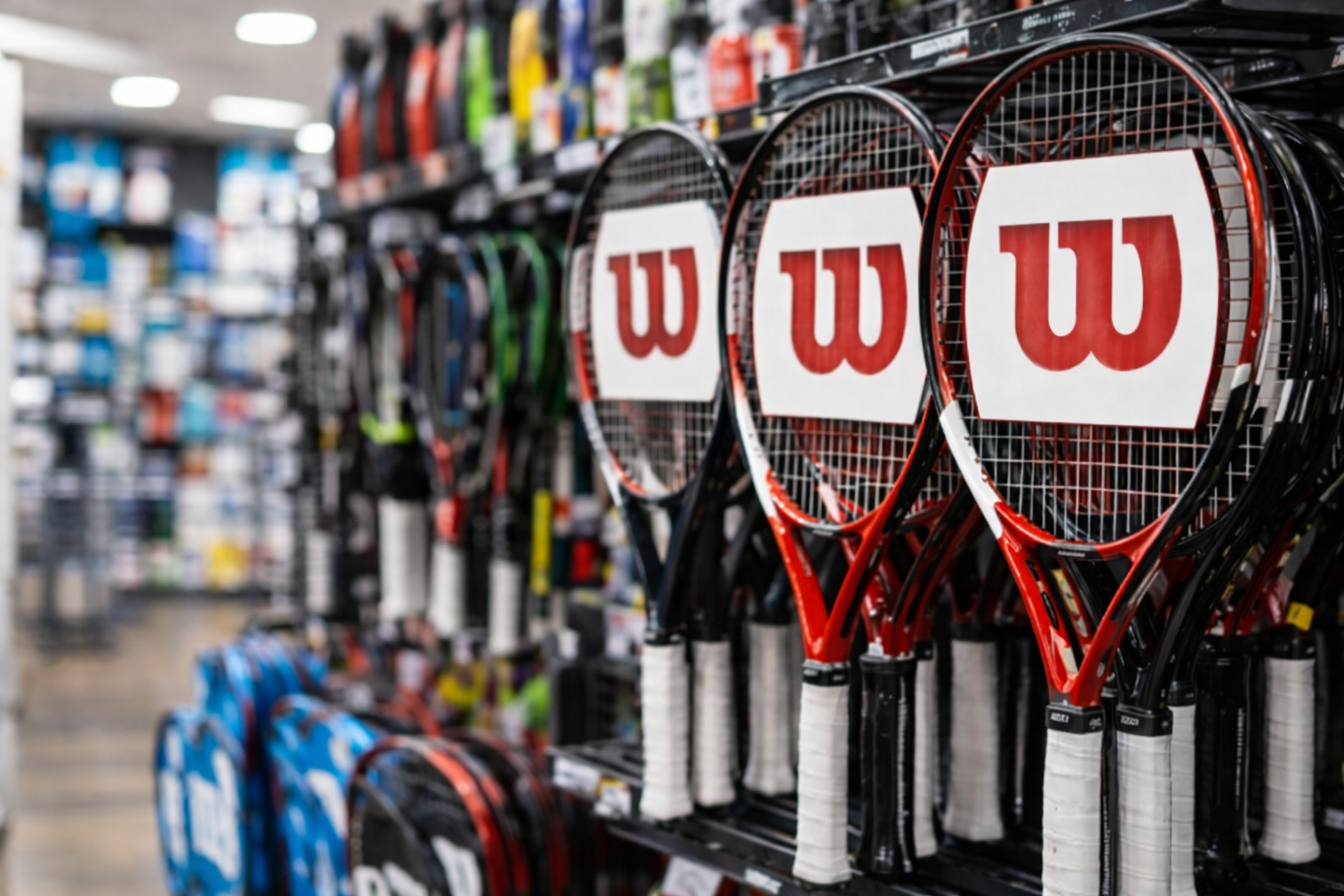
Where to Buy Wilson Rackets in the USA (2026 Guide – Best Stores & Tips)
Last updated: March 2026 | Trusted stores & buying guide I still remember the first [...]