How to Choose Arm-Friendly Rackets: My Personal Journey from Elbow Pain to Playing Comfortably and Confidently Again
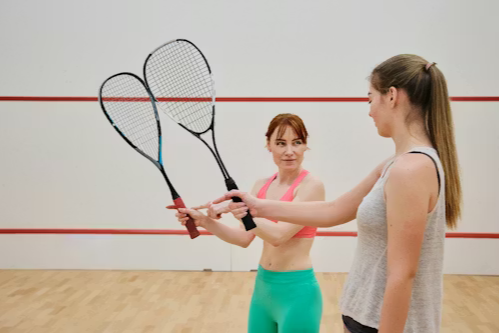
How to Choose Arm-Friendly Rackets: A Personal Journey to Playing Pain-Free
I didn’t think much about my tennis racket—until my elbow started to ache.
At first, it was just a faint discomfort, something I could easily ignore. A slight twinge after long rallies, a dull soreness the morning after a match. I brushed it off as fatigue, maybe poor technique, maybe just “one of those things.” But over time, that whisper of pain turned into something louder, more persistent. It followed me onto the court and lingered long after I left.
That was the moment I realized something important: the racket you choose isn’t just about power or control—it’s about how your body feels while playing, and more importantly, after.
If you’ve ever felt discomfort in your arm, elbow, or wrist while playing tennis, you’re not alone. And the good news is, choosing an arm-friendly racket can make a real difference. Let me walk you through what I learned—sometimes the hard way—about finding a racket that works with your body, not against it.
Understanding What “Arm-Friendly” Really Means
Before diving into specs and brands, I had to understand what “arm-friendly” actually meant. It’s not just a marketing term. An arm-friendly racket is designed to reduce the amount of shock and vibration that travels from the racket into your arm when you hit the ball.
Every time the ball meets the strings, there’s an impact. That energy has to go somewhere. If your racket isn’t absorbing it effectively, your arm ends up doing the work.
Over time, that repeated stress can lead to discomfort—or worse, injury.
So the goal becomes simple: find a racket that minimizes harsh impact and feels comfortable, even during long sessions.
My First Mistake: Chasing Power Over Comfort
Like many players, I was initially drawn to rackets that promised power. Who doesn’t want to hit harder, faster shots with less effort?
But what I didn’t realize was that many power-focused rackets can be quite stiff. And stiffness, while great for energy return, often means less shock absorption.
The result? More vibration traveling straight into your arm.
I remember switching to a lighter, stiffer racket thinking it would improve my game. And in some ways, it did—my shots were faster, more explosive. But after a few weeks, my elbow started to complain more than ever.
That’s when I started paying attention to the specs that actually matter.
Key Factors That Make a Racket Arm-Friendly
Let’s break down the most important elements to consider when choosing a racket that’s gentle on your arm.
1. Racket Stiffness (RA Rating)
This is probably the most important factor.
Rackets are measured on a stiffness scale called the RA rating. The higher the number, the stiffer the racket.
- Stiff rackets (RA 68+): More power, less comfort
- Flexible rackets (RA below 65): More comfort, less shock
If you’re dealing with arm discomfort—or want to prevent it—look for a racket with a lower RA rating. Flexible frames absorb more of the impact, reducing the stress on your arm.
When I switched to a more flexible racket, the difference was immediate. The ball felt softer on contact, and the harsh vibrations I used to feel were noticeably reduced.
2. Weight and Balance
At first, I assumed lighter rackets would be easier on my arm. That seems logical, right?
But here’s the twist: extremely light rackets can actually transmit more shock.
Heavier rackets tend to absorb impact better. They don’t get pushed around as much by the ball, which means less vibration travels into your arm.
That said, you don’t want something so heavy that it tires you out.
A good rule of thumb:
- Look for a moderate weight (around 280g–305g unstrung)
- Consider a head-light balance, which makes the racket easier to maneuver while keeping enough mass to absorb shock
Finding the right balance took me some trial and error, but once I did, my swings felt smoother and more stable.
3. String Pattern
This was something I completely overlooked at first.
Rackets come with different string patterns:
- Open patterns (e.g., 16×19): More spin, more comfort
- Dense patterns (e.g., 18×20): More control, but can feel stiffer
Open string patterns tend to be more forgiving and arm-friendly because they allow the strings to move more and absorb impact.
Switching to a more open pattern made my shots feel livelier—and surprisingly, more comfortable.
4. String Type and Tension
Here’s something many players don’t realize: your strings matter just as much as your racket—sometimes even more.
I used to play with polyester strings because they’re popular among advanced players. But polyester is quite stiff, and combined with a stiff racket, it can be tough on your arm.
If comfort is your priority, consider:
- Multifilament strings: Softer, more elastic, very arm-friendly
- Natural gut: Expensive, but incredibly comfortable
- Lower tension: Reduces string bed stiffness and increases shock absorption
Lowering my string tension by just a few pounds made a noticeable difference. The ball stayed on the strings a bit longer, and the overall feel was much softer.
5. Grip Size and Comfort
This might seem like a small detail, but it plays a big role.
A grip that’s too small or too large can force your arm to compensate in unnatural ways, increasing strain over time.
When I finally got properly fitted for my grip size, I realized how much unnecessary tension I had been holding in my hand and forearm.
A good grip should feel secure but relaxed—you shouldn’t have to squeeze tightly to keep control.
The Emotional Side of the Game
Choosing an arm-friendly racket isn’t just about specs—it’s about how you feel on the court.
For a while, I was frustrated. I felt like my body was holding me back. Every time my elbow hurt, I questioned whether I was doing something wrong.
But the truth is, sometimes it’s not about your technique or your effort. Sometimes, it’s about using the right tools.
Once I found a racket that suited my body, everything changed. I played with more confidence. I stopped worrying about pain and started focusing on the game again.
And that’s what tennis should be about.
Testing Before You Commit
If there’s one piece of advice I wish I had followed earlier, it’s this: always test before you buy.
Many shops and clubs offer demo programs where you can try different rackets. Take advantage of that.
Spend time hitting with each one. Pay attention to how your arm feels—not just during play, but afterward.
Ask yourself:
- Does this racket feel comfortable on impact?
- Do I feel any strain after playing?
- Can I swing naturally without forcing anything?
Your body will give you the answers—you just have to listen.
Final Thoughts: It’s a Personal Journey
There’s no single “perfect” arm-friendly racket that works for everyone.
What works for me might not work for you. And that’s okay.
Choosing the right racket is a process. It takes time, experimentation, and a bit of patience. But it’s worth it.
Because at the end of the day, tennis isn’t just about winning points or improving your technique. It’s about enjoying the game, staying healthy, and being able to play for years to come.
If you’re feeling discomfort, don’t ignore it like I did. Take it as a sign—a gentle nudge to reevaluate your equipment and make a change.
Your future self will thank you.
And who knows? You might just fall in love with the game all over again—this time, without the pain.
Related Post

A Complete Guide to Buying a Badminton Racket Online: My Personal Journey from Confusion to Confidence
Complete Guide to Buying Rackets Online – My Personal Journey I still remember the first [...]
Best Advanced Rackets Review: Top High-Performance Choices for Power, Precision, and Control for Competitive Players
When I first started paying attention to advanced rackets, I didn’t think it would turn [...]