Why Your Racket Feels Heavy: My Personal Journey of Fatigue, Overthinking, and Rediscovering My Natural Rhythm
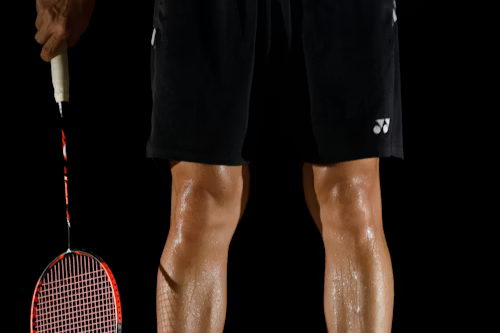
Why Your Racket Feels Heavy — And What It Taught Me About More Than Just Tennis
I remember the first time I noticed it.
It wasn’t dramatic. There was no sudden injury, no loud snap, no moment where everything stopped. It was just… heavier. My racket, the same one I had been using for months, suddenly felt like it had gained weight overnight. I swung, and it lagged behind. My timing was off. My arm felt slower, like it wasn’t entirely mine anymore.
At first, I blamed the racket.
Maybe the strings had loosened. Maybe the grip had worn down. Maybe I needed a new one—something lighter, newer, better. It felt like the simplest explanation. After all, equipment matters, right?
But as I would later learn, the weight I was feeling had very little to do with the racket itself.
The Day Everything Felt Off
It was a regular afternoon practice. The sun wasn’t too harsh, the court was familiar, and nothing seemed out of place. But from the first few hits, something felt… wrong.
My forehand, usually my most reliable shot, kept landing short. My backhand felt delayed. Even my serves lacked their usual snap. It was as if there was a slight delay between my intention and my action.
I remember pausing, looking down at my racket, and turning it over in my hand. It looked the same. Same scratches. Same grip tape. Same everything.
But it didn’t feel the same.
“Why does this feel so heavy today?” I muttered, half-joking, half-annoyed.
A friend nearby laughed. “Maybe you’re just tired.”
I shrugged it off at the time. I didn’t feel tired. Not really. At least, not in the obvious sense.
But that comment stayed with me.
When “Heavy” Isn’t About Weight
Over the next few days, the feeling didn’t go away. If anything, it became more noticeable.
I started paying closer attention.
The heaviness wasn’t constant. Some moments, the racket felt fine. Light, even. But other times—especially during longer rallies or when I was under pressure—it felt like I was swinging through water.
That’s when I realized something important: the racket didn’t change. I did.
The “heaviness” wasn’t physical. It was internal.
Fatigue You Don’t Notice
We often think of fatigue as something obvious—sore muscles, heavy breathing, the kind of exhaustion that makes you want to lie down and do nothing.
But there’s another kind of fatigue. The quiet kind.
The kind that builds up slowly, over days or weeks. The kind that doesn’t announce itself loudly, but still affects everything you do.
I started thinking back.
Late nights. Not enough sleep. Stress from school, from expectations, from trying to keep up with everything. Skipping proper warm-ups because I was “fine.” Not really resting on rest days.
Individually, none of these seemed like a big deal.
But together?
They added weight.
Not to the racket—but to me.
And when you carry that invisible weight, even the lightest object can feel heavy.
The Role of Timing and Tension
Another thing I noticed was how tense I had become.
When I was playing well, my movements used to feel natural. Loose. Almost effortless. The racket flowed through the air, and I didn’t have to think too much.
But during that period, everything felt forced.
I was gripping the racket tighter than usual. My shoulders were stiff. My swings were rushed, like I was trying to compensate for something that wasn’t working.
Ironically, the harder I tried, the heavier the racket felt.
It’s a strange cycle.
You feel off, so you try harder.
Trying harder makes you tense.
Tension slows you down.
Slowing down makes everything feel heavier.
And then you blame the racket again.
Overthinking Changes Everything
At some point, I started overanalyzing every shot.
“Was my angle wrong?”
“Did I swing too late?”
“Should I change my grip?”
“Is this racket even right for me?”
Before, I used to just play. Now, I was thinking about every tiny detail.
And that mental load? It’s heavy.
When your mind is crowded, your body follows. Movements that used to be automatic become deliberate. Deliberate becomes slow. Slow becomes late.
And late feels heavy.
I realized that the racket wasn’t the problem—it was the space between my thoughts and my actions.
Comparing Yourself Makes It Worse
Around that time, I also found myself comparing more.
Watching others play effortlessly. Seeing their smooth swings, their clean shots, their confidence. It made me question myself even more.
“Why does it look so easy for them?”
“Why does mine feel so hard?”
Comparison adds another layer of weight.
It shifts your focus away from your own rhythm and puts it on someone else’s. And when you’re not in your own rhythm, everything feels off—including the racket in your hand.
The Day It Felt Light Again
The change didn’t come from a new racket.
It came from something much simpler.
One day, I went to the court without any expectations. No goals, no pressure to perform, no plan to fix anything.
I just wanted to hit the ball.
At first, it felt the same as before—slightly off, slightly heavy. But I didn’t react to it. I didn’t try to correct it immediately.
I just kept going.
Shot after shot, something began to shift.
My grip loosened. My breathing slowed. My thoughts quieted down. I stopped trying to control everything and just let my body move.
And then, without realizing it, the racket felt light again.
Not because it changed.
But because I did.
What “Heavy” Really Means
Looking back, that experience taught me something I didn’t expect.
When your racket feels heavy, it’s rarely just about the racket.
It can mean:
- You’re more tired than you think
- Your body is tense
- Your mind is overloaded
- You’re trying too hard
- You’ve drifted out of your natural rhythm
“Heavy” is often a signal.
Not of something broken—but of something out of balance.
Small Adjustments That Made a Big Difference
I didn’t overhaul everything overnight. Instead, I made small changes.
I started paying attention to how I felt before playing—not just physically, but mentally.
If I was tired, I acknowledged it instead of ignoring it.
I focused on relaxing my grip, especially during rallies.
I gave myself permission to play badly without immediately trying to fix it.
And maybe most importantly, I stopped blaming the racket.
Because blaming the racket was easy. It gave me something external to point at.
But real improvement came when I looked inward.
The Lesson Beyond Tennis
This wasn’t just about tennis.
That feeling—of something becoming heavier without a clear reason—exists in other parts of life too.
Tasks that used to feel easy suddenly feel difficult. Things you once enjoyed start to feel like effort. You wonder what changed.
And just like with the racket, the answer often isn’t external.
It’s in your energy. Your focus. Your mental state.
Sometimes, what you need isn’t a new tool.
It’s rest. Or space. Or a reset.
Learning to Listen
Now, whenever my racket starts to feel heavy again, I don’t panic.
I pause.
I ask myself:
- Am I tired?
- Am I tense?
- Am I overthinking?
- Am I putting too much pressure on this moment?
Most of the time, the answer is yes to at least one of those.
And once I recognize it, the solution becomes clearer.
Not always easy—but clearer.
It Was Never About the Racket
It’s funny how quick we are to blame the things we hold in our hands.
The racket. The gear. The surface. The conditions.
But often, the real weight comes from what we carry inside.
And once you start to notice that, everything changes.
You stop chasing solutions outside and start understanding what’s happening within.
And sometimes, that’s all it takes for things to feel light again.
So if your racket feels heavy the next time you step on the court, don’t rush to replace it.
Take a moment.
Feel your grip. Notice your breath. Pay attention to your thoughts.
Because the answer might not be in the racket at all.
It might be in you—and that’s not a bad thing.
It just means you have more control than you think.
Related Post

What Racket Weight Should You Choose? (2026 Guide – Find Your Perfect Balance)
Last updated: March 2026 | Beginner to advanced guide I still remember the first time [...]
Why Racket Central Is Popular (2026 Guide – What Makes It Stand Out)
Last updated: March 2026 | Community insights & analysis The first time I discovered Racket [...]