Best Pickleball Paddles for Seniors: My Personal Journey of Finding Comfort, Control, and Joy on the Court
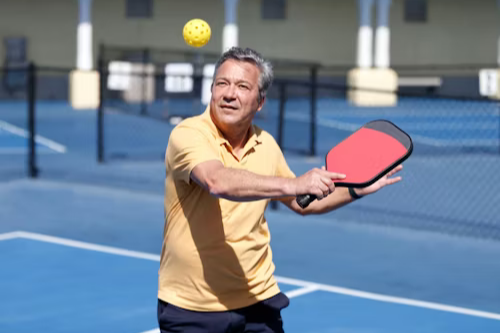
Best Pickleball Paddles for Seniors: A Journey to Comfort, Control, and Confidence on the Court
I still remember the first time I stepped onto a pickleball court with someone I’d describe as “seasoned”—not just in age, but in life. His name was Mr. Harris, a retired teacher who carried himself with a quiet confidence. He didn’t move as quickly as the younger players, but there was something about his game—steady, precise, almost poetic. And as I watched him play, I realized something important: in pickleball, especially for seniors, it’s not about power. It’s about control, comfort, and the right paddle.
That realization is what inspired this guide.
If you—or someone you care about—are looking for the best pickleball paddles for seniors, you’re not just shopping for equipment. You’re choosing a partner on the court. The right paddle can reduce strain, improve accuracy, and most importantly, make the game more enjoyable.
Let’s walk through this together.
Why Paddle Choice Matters More for Seniors
As we age, our bodies change. Grip strength might not be what it used to be. Joints can become more sensitive. Reaction time may slow slightly. But here’s the good news: pickleball is one of the most senior-friendly sports out there—if you have the right gear.
A poorly chosen paddle can lead to discomfort in the wrist, elbow, or shoulder. Some even experience what’s commonly called “pickleball elbow.” On the other hand, the right paddle can feel like an extension of your arm—light, responsive, and forgiving.
Mr. Harris once told me, “It’s not about hitting harder. It’s about hitting smarter.” And that starts with your paddle.
What Seniors Should Look for in a Pickleball Paddle
Before diving into specific recommendations, let’s talk about what actually matters.
1. Weight: Light Is Right
For seniors, lighter paddles are generally the best choice.
- Ideal weight: 7.0 – 7.8 ounces
- Why it matters: Lighter paddles reduce strain on the arm and allow for quicker reactions at the net.
A heavier paddle might offer more power, but it can also tire you out faster and increase the risk of injury.
2. Grip Size: Comfort Over Everything
Grip size is often overlooked, but it’s crucial.
- Recommended grip size: 4” to 4.25” circumference
- Why it matters: A grip that’s too large or too small can cause discomfort and reduce control.
A simple trick: when holding the paddle, you should be able to fit a finger between your palm and fingers.
3. Material: Soft and Forgiving
Paddles come in various materials, but seniors should look for ones that reduce vibration.
- Best materials:
- Polymer core (honeycomb structure)
- Fiberglass or graphite face
These materials help absorb shock, making each hit smoother and more comfortable.
4. Control Over Power
While power can be tempting, control is far more valuable—especially in pickleball.
Look for paddles designed for:
- Accuracy
- Touch shots
- Soft dinks near the net
Remember, winning points often comes down to placement, not force.
5. Larger Sweet Spot
A larger sweet spot means more forgiveness on off-center hits.
This is especially helpful for players who may not always hit the ball perfectly—something we all experience, regardless of age.
Best Pickleball Paddles for Seniors (Top Picks)
Now, let’s get into the paddles themselves. These are some of the best options that consistently stand out for comfort, control, and ease of use.
1. Selkirk Latitude Widebody Paddle
If I had to recommend one paddle to someone just starting out—or returning to the game after a long break—this would be it.
Why seniors love it:
- Lightweight and easy to maneuver
- Widebody shape for a larger sweet spot
- Comfortable grip
It’s not flashy, but it’s reliable. Like a good friend who’s always there when you need them.
2. Onix Graphite Z5
This paddle has been around for years, and there’s a reason it remains popular.
Key features:
- Excellent control
- Medium weight (still manageable for most seniors)
- Tennis-style handle for familiarity
For those who used to play tennis, this paddle feels like coming home.
3. Paddletek Bantam TS-5
A step up in performance, but still very senior-friendly.
What stands out:
- Balanced weight
- Polycore interior for reduced vibration
- Great blend of power and control
This is for players who want a bit more responsiveness without sacrificing comfort.
4. Selkirk Amped S2
This paddle feels… refined.
Why it’s special:
- Thicker core for better shock absorption
- Large sweet spot
- Soft feel for controlled play
If joint comfort is a top priority, this paddle is worth serious consideration.
5. Engage Encore EX 6.0
For seniors who have been playing for a while and want more precision.
Highlights:
- Exceptional control
- Quiet, soft impact
- Consistent performance
It’s the kind of paddle that rewards thoughtful play.
Common Mistakes Seniors Make When Choosing a Paddle
Let me share a few things I’ve seen—mistakes that are easy to make but also easy to avoid.
Choosing Power Over Comfort
It’s tempting to go for a paddle that promises more power. But if it causes discomfort, it’s not worth it.
Comfort should always come first.
Ignoring Grip Size
Many players stick with whatever grip comes standard. But adjusting grip size can make a huge difference in how the paddle feels.
Don’t hesitate to add an overgrip if needed.
Going Too Heavy
Some believe heavier paddles mean better performance. In reality, they often lead to fatigue and strain—especially during longer games.
A Story from the Court
A few months after meeting Mr. Harris, I saw him again. But this time, something had changed.
His movements looked strained. His shots weren’t as precise.
We talked, and he admitted he had switched to a heavier paddle, thinking it would improve his power.
“It did,” he said, “for about ten minutes.”
After that, his arm started to ache, and his control suffered.
He eventually switched back to a lighter paddle—and just like that, his game returned.
That moment stuck with me. Because it wasn’t just about the paddle. It was about understanding your body and respecting its needs.
Tips for Getting the Most Out of Your Paddle
Choosing the right paddle is only part of the journey. Here are a few extra tips to help you enjoy the game even more:
Warm Up Before Playing
A few minutes of stretching can prevent discomfort and improve performance.
Replace Your Grip Regularly
A worn-out grip can affect both comfort and control.
Listen to Your Body
If something doesn’t feel right, don’t ignore it. Adjust your paddle, your technique, or take a break.
Focus on Technique
Good positioning and smart shot placement can outperform raw power every time.
Final Thoughts: It’s More Than Just a Paddle
At the end of the day, pickleball isn’t just about winning points. It’s about staying active, connecting with others, and enjoying the moment.
The right paddle won’t just improve your game—it will enhance your entire experience on the court.
I still think about Mr. Harris sometimes. The way he moved, the way he played, the quiet joy he found in every rally.
And I realize now: the best paddle isn’t necessarily the most expensive or the most advanced.
It’s the one that lets you play comfortably, confidently, and with a smile.
So take your time. Try a few options. Listen to your body.
Because the perfect paddle for you is out there—and when you find it, you’ll know.
Related Post
Wilson Blade 98 Review (2026 Guide – Control, Feel & Precision)
Last updated: March 2026 | Tested on court The first time I picked up the [...]
How to Choose a Racket for Women: My Personal Journey of Finding the Perfect Fit for Comfort, Confidence, and Performance
Choosing the right racket wasn’t something I ever thought much about—until the day I stepped [...]