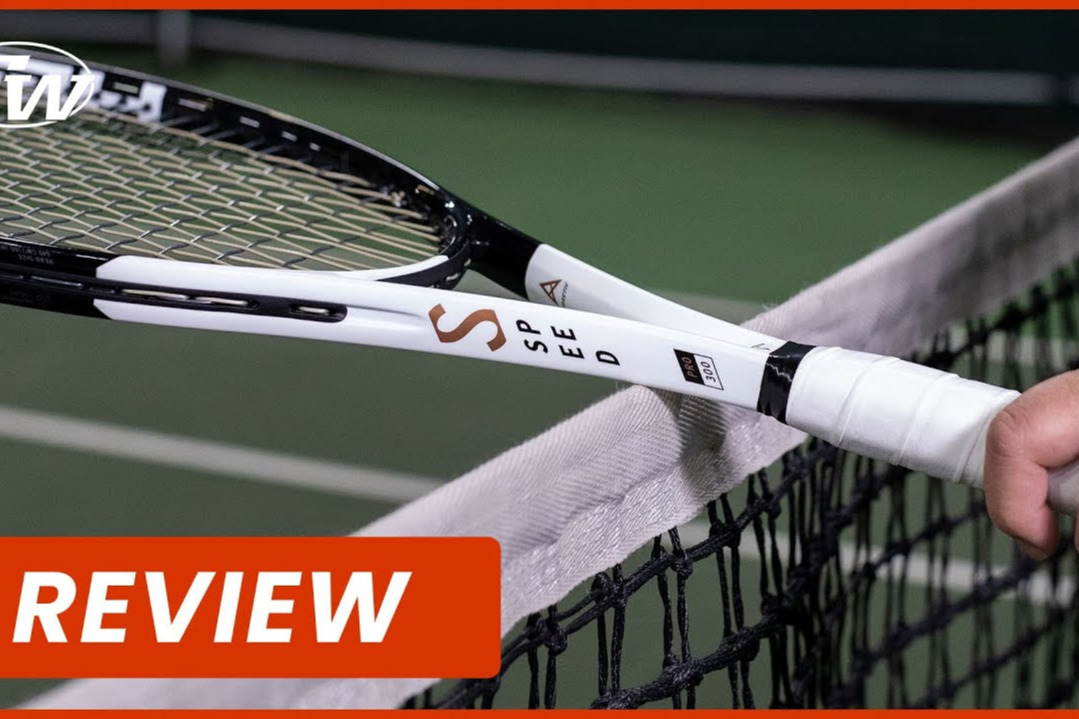
Beginner’s Guide to Tennis Equipment: Essential Gear Tips for Comfort, Performance, and Getting Started with Confidence
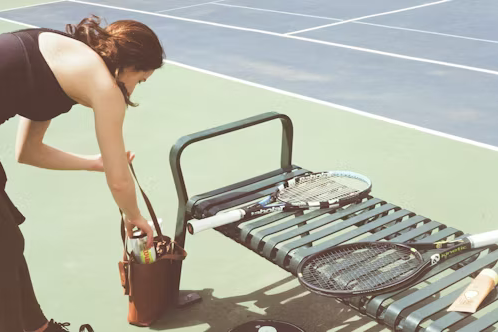
Beginner Guide to Tennis Equipment
I still remember the first time I walked into a sports shop, staring at rows of tennis rackets like they were some kind of mysterious tools meant only for professionals. Everything looked complicated—different head sizes, string tensions, grip sizes—and I had no idea where to begin. If you’re feeling the same way right now, you’re not alone. Starting tennis isn’t just about learning how to hit the ball; it’s also about understanding the equipment that quietly shapes your experience on the court.
So let’s take this journey step by step, not like a manual, but like a story—one that hopefully feels a lot like your own beginning.
Choosing Your First Tennis Racket
At first, I thought all rackets were basically the same. I picked one that looked cool and didn’t think twice. It didn’t take long to realize that was a mistake.
Your racket is your closest companion on the court. It affects how the ball feels when you hit it, how much control you have, and even how confident you feel during a rally.
For beginners, the key is forgiveness. You’re not going to hit every shot perfectly—and that’s okay. A beginner-friendly racket is designed to help you even when your timing or positioning is off.
Look for a racket with:
- A larger head size (100–110 sq in): This gives you a bigger “sweet spot,” making it easier to hit the ball cleanly.
- A lighter weight: Easier to swing and reduces strain on your arm.
- A balanced feel: Something that doesn’t feel too heavy in the head or handle.
I remember switching to a lighter racket with a larger head, and suddenly, the game felt less frustrating. The ball started going over the net more often, and that alone made me want to keep playing.
Understanding Tennis Strings (Without Overthinking It)
At some point, you’ll hear people talk about strings like they’re discussing fine wine. Tension, material, durability—it can get overwhelming fast.
Here’s the truth: as a beginner, you don’t need to obsess over strings.
Most rackets come pre-strung, and that’s perfectly fine to start with. What matters more is that your strings are not too tight. Lower tension gives you more power and comfort, which is exactly what you need when you’re still learning.
As you improve, you might start noticing differences. Maybe you’ll want more control, or maybe your strings will break and you’ll have to choose new ones. That’s when you can explore more options. But for now, keep it simple.
The Importance of the Right Grip Size
This is one detail I completely ignored at first—and it made a bigger difference than I expected.
If your grip is too small, you’ll end up holding the racket too tightly, which can strain your wrist and forearm. If it’s too big, you’ll struggle to control your shots.
A simple way to check: when you hold the racket, there should be just enough space between your fingers and palm to fit the index finger of your other hand.
If you’re unsure, it’s safer to go slightly smaller. You can always add an overgrip to make it thicker.
Speaking of overgrips…
Overgrips: The Small Upgrade That Changes Everything
I didn’t even know what an overgrip was until someone handed me one during a casual game. It seemed like such a small thing—a thin layer wrapped around the handle—but it completely changed how the racket felt.
Overgrips help with:
- Sweat absorption
- Better traction
- Improved comfort
And they’re cheap, easy to replace, and come in different colors (which, let’s be honest, is a fun bonus).
Once you start using them, it’s hard to go back.
Tennis Balls: Not All Are Created Equal
At first glance, tennis balls all look identical. Bright yellow, fuzzy, and lightweight. But there are actually a few types, and choosing the right one can make your learning curve smoother.
For beginners, especially younger players or those just starting out, consider:
- Pressureless balls: They last longer and are great for practice.
- Low-compression balls (orange or green dot): These bounce lower and move slower, giving you more time to react.
I remember practicing with slower balls during my early days. It felt like the game slowed down just enough for me to think, adjust, and actually enjoy hitting rallies instead of chasing after missed shots.
Tennis Shoes: More Important Than You Think
If there’s one thing I underestimated the most, it was shoes.
I thought any pair of running shoes would do. They didn’t.
Tennis involves a lot of side-to-side movement, quick stops, and sudden direction changes. Running shoes are designed for forward motion, which means they don’t provide the lateral support you need on a tennis court.
A good pair of tennis shoes offers:
- Stability for lateral movement
- Durability for hard court surfaces
- Grip to prevent slipping
Once I switched to proper tennis shoes, I felt more confident moving around. I wasn’t worried about slipping or twisting my ankle, and that freedom made a huge difference in how I played.
What to Wear on the Court
Tennis doesn’t require anything fancy, but comfort is everything.
In the beginning, I wore whatever I had—cotton t-shirts, regular shorts—and quickly realized how uncomfortable that could get, especially under the sun.
Look for:
- Breathable, moisture-wicking fabrics
- Clothes that allow free movement
- A hat or visor if you’re playing outdoors
You don’t need to look like a professional player. Just wear something that lets you move easily and keeps you cool.
Tennis Bag: When and Why You Need One
At first, I carried everything in a regular backpack. It worked… until it didn’t.
Once you start playing regularly, you’ll find yourself carrying:
- Rackets
- Balls
- Water bottles
- Extra grips
- Towels
That’s when a tennis bag becomes useful. It’s not just about storage—it’s about convenience.
Some bags even have compartments to keep your racket protected or separate sweaty clothes from clean ones. It’s one of those upgrades you don’t need immediately, but you’ll appreciate it when the time comes.
Accessories That Actually Matter
You don’t need a lot of extras to enjoy tennis, but a few small items can improve your experience:
- Dampener: Reduces vibration and changes the sound of your shots. Some players love it, others don’t—it’s a personal preference.
- Wristbands: Helpful for wiping sweat during hot days.
- Water bottle: Sounds obvious, but staying hydrated is essential.
I used to think accessories were unnecessary. But over time, I realized they’re not about looking serious—they’re about feeling comfortable and staying focused.
Budget vs. Quality: Finding the Balance
One question I had early on was: “Do I need to spend a lot of money to get started?”
The honest answer is no.
You don’t need top-of-the-line equipment as a beginner. In fact, expensive gear is often designed for advanced players who can actually take advantage of its features.
Start with:
- A mid-range racket
- Basic tennis shoes
- A few cans of balls
As you improve and understand your preferences, you can gradually upgrade.
Think of it this way: your skills should grow faster than your equipment budget.
The Emotional Side of Equipment
This might sound strange, but your equipment can affect how you feel about the game.
I remember the first time I found a racket that truly felt “right.” It wasn’t the most expensive one, but it felt like an extension of my arm. Suddenly, I looked forward to playing more. I practiced longer. I enjoyed the process.
Good equipment won’t make you a great player overnight. But it can remove small frustrations, build confidence, and make the learning process more enjoyable.
And when you’re just starting out, enjoyment is everything.
Final Thoughts: Keep It Simple
If there’s one thing I wish someone had told me when I started, it’s this:
You don’t need perfect equipment to begin. You just need something good enough to get you on the court.
It’s easy to get lost in details—specs, brands, opinions—but at the end of the day, tennis is about hitting a ball, moving your body, and enjoying the moment.
Your first racket won’t be your last. Your preferences will change. Your understanding will grow. And that’s part of the journey.
So don’t wait until everything feels “right.” Grab a racket, step onto the court, and start playing.
Because the real story doesn’t begin with the equipment—it begins with that first swing.
Related Post
Most Recommended Rackets Review: Top Reliable Choices for Power, Control, Comfort, and Consistent Performance
When I first started looking into the most recommended rackets, I thought it would be [...]
Best rackets for arm-friendly performanceBest Rackets for Arm-Friendly Performance: My Personal Journey from Pain and Frustration to Comfort and ConfidenceBest rackets for arm-friendly performance
Best Rackets for Arm-Friendly Performance I still remember the first time my elbow started whispering [...]