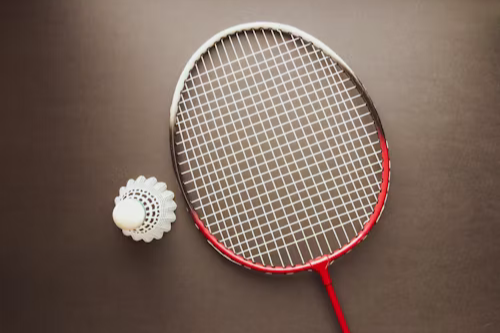
Best Rackets for Injury Prevention: Top Comfortable and Arm-Friendly Options to Reduce Strain and Improve Long-Term Play
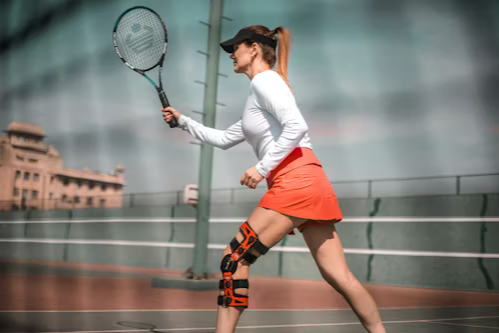
Best Rackets for Injury Prevention
I still remember the first time my wrist started to ache after a long weekend of playing. It wasn’t a sharp pain—nothing dramatic enough to make me stop immediately—but it lingered. The kind of discomfort that quietly follows you home, sits with you while you scroll your phone, and reminds you the next morning that something isn’t quite right. At that time, I blamed everything except my racket. My technique, the court surface, even the weather. It took me a while to realize that the equipment in my hand—the very tool I trusted—was playing a bigger role than I thought.
That realization changed how I approached choosing a racket, and honestly, how I approached the game itself.
Why the Right Racket Matters More Than You Think
When people talk about improving in sports like tennis or badminton, they often focus on skills—footwork, strategy, consistency. Equipment feels secondary, almost optional. But if you’ve ever dealt with recurring discomfort in your elbow, wrist, or shoulder, you start to see things differently.
A racket isn’t just something you swing. It’s something that absorbs impact, transfers energy, and interacts directly with your body hundreds—sometimes thousands—of times in a single session. Every vibration, every off-center hit, every slight misalignment travels through the frame and into your arm.
And if your racket isn’t suited to you, those small stresses add up.
The Turning Point: Listening to My Body
I didn’t switch rackets overnight. At first, I tried to “push through” the discomfort. That’s what a lot of players do, especially when they’re younger. You think soreness is part of the process. That if you just tough it out, your body will adapt.
But there’s a difference between normal fatigue and warning signs.
I started noticing patterns. The pain got worse on days when I used a heavier racket. It flared up after mishits. And strangely, it was less noticeable when I borrowed a friend’s racket during casual games.
That was the clue I needed.
Key Features That Help Prevent Injury
Over time, through trial, error, and a lot of reading, I learned that not all rackets are created equal—especially when it comes to protecting your body.
1. Weight and Balance
Heavier rackets aren’t always bad. In fact, they can provide more stability and power. But if a racket is too heavy for you, it forces your muscles and joints to work harder than they should.
I learned to pay attention not just to total weight, but also to balance. A head-heavy racket can feel powerful but may strain your wrist and shoulder over time. A more evenly balanced or slightly head-light racket often feels easier to control and puts less stress on your arm.
When I finally switched to a lighter, more balanced racket, the difference wasn’t dramatic at first—but it was noticeable. My swings felt smoother, and I wasn’t compensating as much.
2. Frame Flexibility
This was something I completely ignored at the beginning. I used to think a stiffer racket meant better performance—and in some ways, it does offer more power. But it also transfers more shock directly to your arm.
Flexible rackets, on the other hand, absorb more vibration. That means less impact reaching your joints.
The first time I used a more flexible frame, it felt… softer. Less harsh. And after longer sessions, my arm didn’t feel as fatigued.
3. Grip Size
This might be one of the most overlooked factors. A grip that’s too small forces you to squeeze tighter, increasing tension in your forearm. Too large, and you lose control, which can lead to awkward movements.
I didn’t realize my grip size was wrong until a coach pointed it out. After adjusting it, I noticed I was holding the racket more naturally. Less tension, less strain.
Sometimes, injury prevention isn’t about big changes—it’s about small adjustments that make everything else work better.
4. String Tension
This one surprised me the most.
Higher string tension gives you more control, but it also reduces the “give” of the strings, meaning less shock absorption. Lower tension offers more comfort and power, which can be easier on your arm.
I used to prefer tighter strings because I liked the precision. But after experimenting with slightly lower tension, I realized I didn’t lose as much control as I expected—and my arm definitely appreciated it.
Rackets That Stand Out for Injury Prevention
Over time, I started to recognize certain rackets that consistently felt better on my arm. Not perfect, not magical—but more forgiving.
Brands have started to pay more attention to injury prevention, incorporating technologies designed to reduce vibration and improve comfort. Some rackets come with built-in dampening systems, while others focus on flexible materials or ergonomic designs.
What matters most isn’t the brand name, though. It’s how the racket feels in your hand.
A racket that works for one player might not work for another. That’s something I had to learn the hard way.
The Emotional Side of Choosing the Right Gear
There’s also something a bit personal about finding the right racket.
It’s not just about specs or reviews—it’s about trust. When you step onto the court, you want to feel confident that your equipment won’t let you down. That it won’t quietly contribute to discomfort or hold you back.
I remember the first game I played after switching to a more arm-friendly racket. I wasn’t thinking about my wrist anymore. I wasn’t adjusting my swing to avoid pain. I was just… playing.
And that feeling—that freedom—is hard to describe unless you’ve experienced the opposite.
Common Mistakes to Avoid
Looking back, there are a few mistakes I wish I hadn’t made:
- Choosing based on popularity: Just because a professional uses a certain racket doesn’t mean it’s right for you. Their physical conditioning and playing style are completely different.
- Ignoring early discomfort: Small aches can turn into bigger problems if you don’t address them.
- Focusing only on performance: Power and control are important, but not at the cost of your health.
It’s Not Just About the Racket
As much as the right racket can help, it’s not the whole story.
Your technique, warm-up routine, and overall physical condition all play a role in preventing injury. Even the best racket can’t compensate for poor form or overuse.
I had to learn to listen to my body—not just when something hurt, but before it got to that point.
Taking breaks, stretching, and gradually building intensity made just as much difference as switching equipment.
Finding Your Balance
If there’s one thing I’ve learned, it’s this: there’s no “perfect” racket—only the one that fits you best.
And finding it takes time.
You might need to test a few options. You might need to adjust your expectations. But when you do find that balance—between comfort, control, and confidence—it changes how you experience the game.
You stop worrying about your arm. You stop overthinking every swing. And you start enjoying the rhythm of play again.
Final Thoughts
Injury prevention isn’t something most players think about until they have to. I know I didn’t.
But if I could go back, I’d pay more attention earlier. I’d choose equipment more carefully. I’d listen to the small signals my body was sending me.
Because at the end of the day, the goal isn’t just to play well—it’s to keep playing.
And sometimes, that starts with something as simple as the racket in your hand.
Related Post
Best Tennis Rackets for Intermediate Players in 2026: My Personal Journey of Breaking Limits and Unlocking My Game
Best Tennis Rackets for Intermediate Players in 2026 I still remember the moment I realized [...]
How to Get Free Shipping on Rackets (2026 Guide – Save Money Every Time You Buy)
Last updated: March 2026 | Proven tips & real strategies I still remember the first [...]