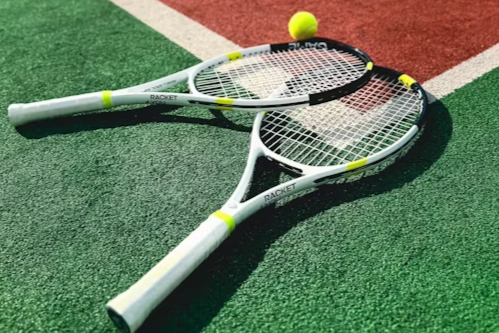
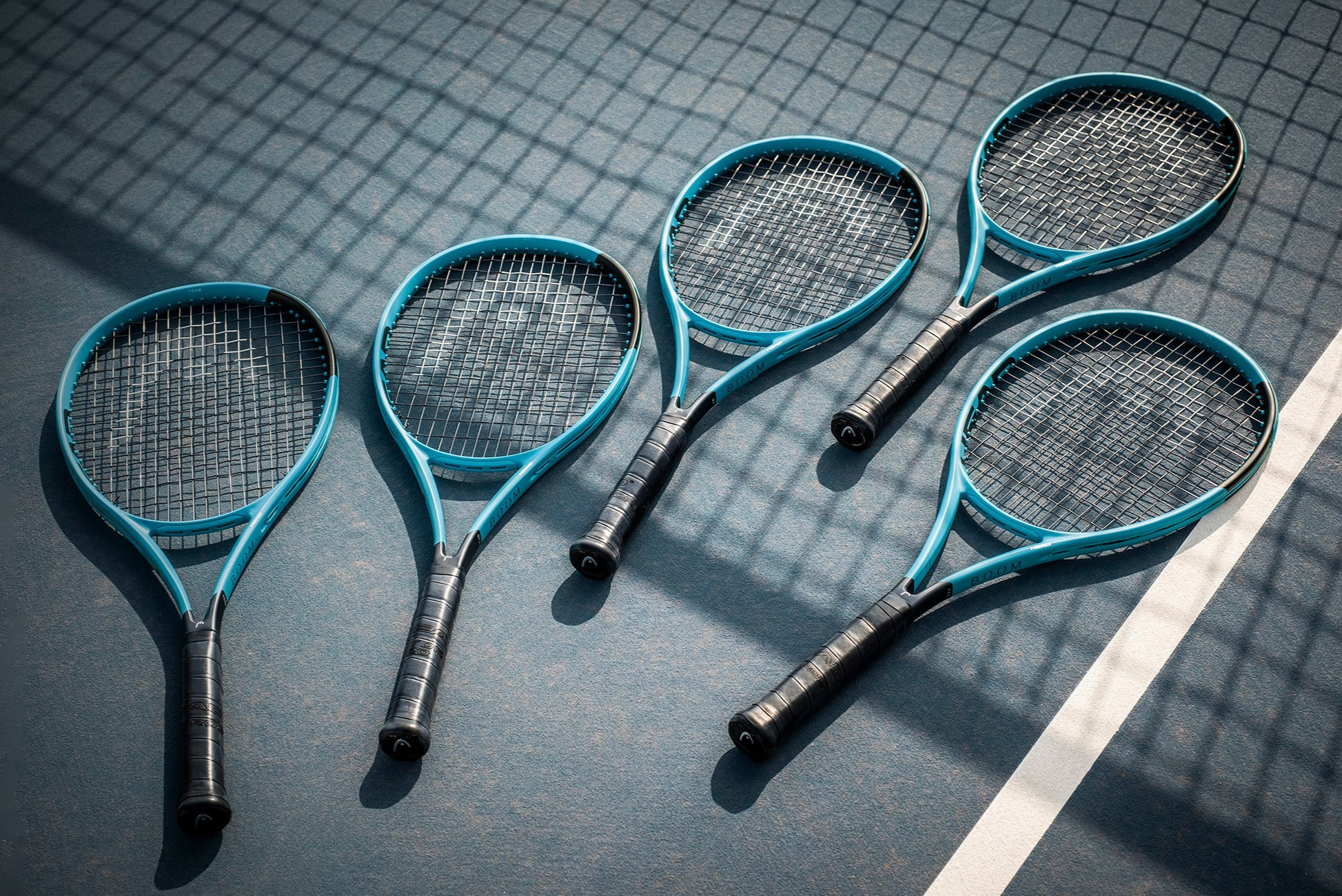
Is Wilson better than Babolat? That question had been sitting in the back of my mind for weeks, quietly echoing every time I stepped onto the court. It wasn’t just about brands. It felt bigger than that—almost like choosing between two different identities as a tennis player.
I still remember the first time I held a Wilson racket. It was older than me, or at least it felt that way. The grip was slightly worn, the strings had lost their tension, and yet there was something reassuring about it. My coach handed it to me without saying much, just a simple, “Try this.” And I did. The first swing felt… controlled. Predictable. Like the racket already knew what I was trying to do before I did.
But then came Babolat.
It entered my life in a completely different way. Not through a quiet recommendation, but through noise—literally. The sharp “pop” of the ball off the strings, the bright colors, the aggressive design. It was impossible to ignore. When I picked up a Babolat Pure Aero for the first time, it didn’t feel like the racket was helping me. It felt like it was challenging me. “Let’s see what you’ve got,” it seemed to say.
And that’s when the real question began: which one is better?
At first, I tried to answer it the way most people do—by looking up specs, reading reviews, comparing pros and cons. Wilson is known for control, feel, and precision. Babolat is famous for power, spin, and explosiveness. On paper, it sounded simple. If you’re a control player, go Wilson. If you want power and spin, go Babolat.
But tennis, like most things in life, is never that simple.
I noticed it during matches. On days when I felt calm and focused, when my footwork was clean and my timing was sharp, the Wilson felt like an extension of my arm. Every shot went where I wanted it to. I could place the ball deep in the corners, slice low, and keep rallies under control. It gave me confidence—not the loud, flashy kind, but a quiet, steady belief that I could outplay my opponent point by point.
Then there were other days.
Days when my energy was high but my consistency wasn’t. Days when I wanted to hit harder, faster, and take risks. That’s when the Babolat came alive. It didn’t punish me for swinging big—it rewarded me. The topspin was heavier, the ball jumped higher, and suddenly I felt like I could push my opponent back with every shot. It wasn’t about control anymore; it was about pressure.
And that’s when I realized something important: the question “Is Wilson better than Babolat?” might actually be the wrong question.
Because “better” depends on who you are when you step onto the court.
I started paying more attention to my own playing style. Not the one I thought I had, but the one that showed up in real matches. Was I the kind of player who built points patiently, waiting for the right moment? Or was I someone who thrived on aggression, trying to end points quickly?
The answer, surprisingly, was both.
Some matches demanded patience. Others demanded intensity. And no single racket could perfectly match every version of me.
Wilson rackets, especially lines like the Pro Staff and Blade, felt like they were designed for players who value connection with the ball. You feel everything—the contact, the direction, even slight mishits. It’s almost like the racket is giving you feedback after every shot. That can be a good thing, but it also means there’s less room for error. You have to bring your best technique, or it will show.
Babolat, on the other hand, feels more forgiving in certain ways. The Pure Drive and Pure Aero are built to generate easy power and spin. Even when your timing isn’t perfect, the ball still travels deep and fast. For many players, especially those still developing their technique, that can be a huge advantage. It gives you confidence to swing freely, without overthinking every detail.
But there’s a trade-off.
With great power often comes less control. With more spin comes a slightly different feel. Some players love that. Others find it harder to fine-tune their shots.
I remember one particular match that made everything clear.
It was a hot afternoon, and I was playing against someone who never seemed to miss. Every ball came back, deep and consistent. I started the match with my Wilson racket, trying to outmaneuver him with placement and precision. It worked for a while, but long rallies began to wear me down. I needed something more—more depth, more pressure.
So, between sets, I made a switch.
I picked up my Babolat.
The change was immediate. My shots had more weight, more spin. Suddenly, my opponent was the one defending. But with that power came a new challenge. I had to control my aggression, or I’d start making unforced errors. It wasn’t just about the racket anymore—it was about how I adapted to it.
I ended up winning that match, but not because one brand was better than the other. I won because I learned when to use each one.
That experience stayed with me.
Over time, I stopped thinking of Wilson and Babolat as competitors. Instead, I started seeing them as different tools, each with its own strengths. Like choosing between a pen and a marker—you wouldn’t say one is better in all situations. It depends on what you’re trying to create.
Another thing I noticed is how much personal preference plays a role. Some players pick up a Wilson and immediately feel at home. Others do the same with Babolat. It’s not always logical. Sometimes it’s just about feel—the way the racket moves through the air, the sound it makes on contact, the confidence it gives you.
And confidence, in tennis, is everything.
You can have the most advanced racket in the world, but if you don’t trust it, it won’t help you. On the other hand, a racket that suits your game—even if it’s not “perfect” on paper—can make you play better simply because you believe in it.
I also started paying attention to the pros. Roger Federer with Wilson. Rafael Nadal with Babolat. Two legends, two completely different styles, both incredibly successful. If anything, that proves there’s no single “best” brand.
Federer’s game was built on elegance, precision, and timing—qualities that align well with Wilson’s design philosophy. Nadal, with his heavy topspin and relentless intensity, matched perfectly with Babolat’s power and spin.
But here’s the thing: we’re not Federer or Nadal.
We’re players trying to figure out our own game, our own rhythm, our own identity on the court.
So instead of asking, “Is Wilson better than Babolat?” a better question might be:
“What kind of player do I want to become?”
If you enjoy constructing points, placing the ball with precision, and feeling deeply connected to every shot, Wilson might feel like the right choice.
If you prefer aggressive baseline play, heavy topspin, and putting your opponent under constant pressure, Babolat might suit you better.
And if you’re like me—somewhere in between—you might find yourself switching, experimenting, and learning from both.
In the end, the answer isn’t fixed.
It evolves, just like your game.
Even now, I still carry both rackets in my bag. Not because I can’t decide, but because I don’t have to. Each one represents a different side of my playing style, a different approach to the same game.
And maybe that’s the real beauty of it.
Tennis isn’t about finding one perfect answer. It’s about discovering what works for you, in different moments, under different conditions.
So, is Wilson better than Babolat?
Not really.
But one of them might be better for you—at least for now.
And that’s more than enough.