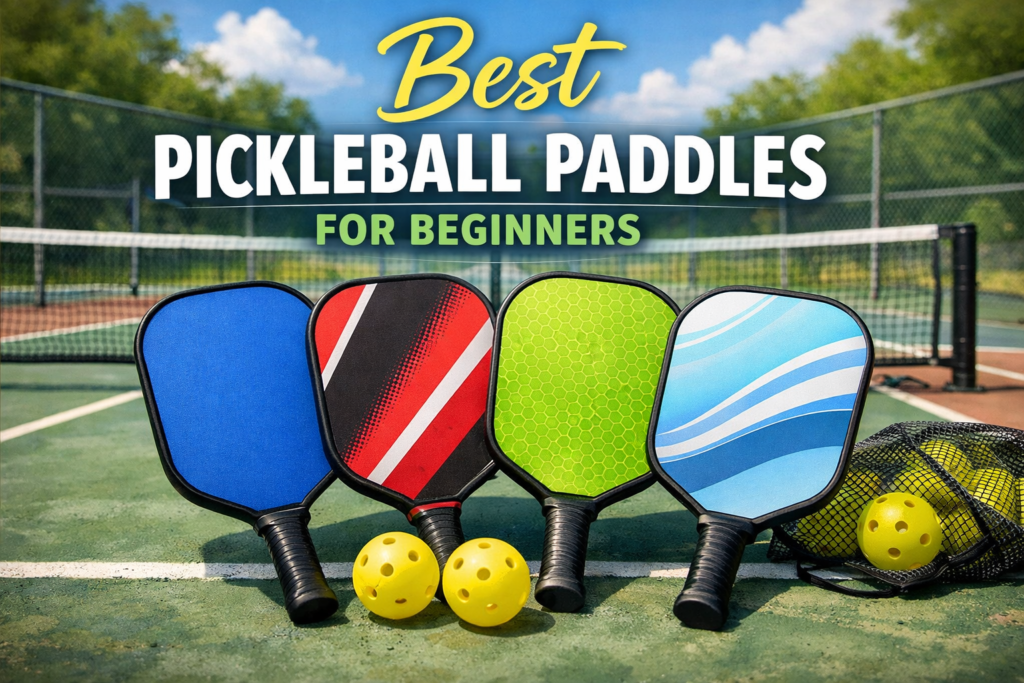
When I first picked up a pickleball paddle, I had no idea what I was doing. I remember standing on the court, gripping the paddle a little too tightly, watching the ball bounce toward me as if it were moving in slow motion. There was a strange mix of excitement and hesitation—like the first day at a new school. I didn’t know the rules very well, I wasn’t sure how hard to swing, and honestly, I wasn’t even confident I’d hit the ball at all.
But here’s the thing about pickleball: it welcomes you in, no matter your skill level. And one of the biggest reasons for that is the paddle you start with.
So if you’re just beginning your journey, choosing the right paddle isn’t about finding the most expensive or professional-grade option. It’s about finding something that feels right in your hands—something that builds confidence instead of frustration. Let me walk you through what I’ve learned, not just from research, but from real experience, trial and error, and a lot of missed shots.
Why Your First Paddle Matters More Than You Think
At the beginning, I underestimated how much a paddle could affect my game. I thought, “It’s just a paddle, right?” But after trying a few different ones, I quickly realized how wrong I was.
A good beginner paddle does three important things:
- It gives you control, so you can actually place the ball where you want.
- It reduces vibration, so your hands don’t feel sore after a few games.
- It forgives mistakes, which is crucial when you’re still learning timing and technique.
The wrong paddle, on the other hand, can make you feel like you’re just not good at the game—when really, it’s the equipment holding you back.
What Beginners Should Look For
Before I dive into specific paddles, let’s talk about what actually makes a paddle beginner-friendly.
1. Weight (Not Too Heavy, Not Too Light)
When I started, I picked a paddle that was too heavy because I thought it would give me more power. It did—but I lost control, and my arm got tired quickly.
The sweet spot for beginners is usually 7.3 to 8.2 ounces.
- Lighter paddles = more control, less fatigue
- Heavier paddles = more power, but harder to manage
If you’re unsure, go for a mid-weight paddle. It’s the safest choice.
2. Grip Size (Comfort is Everything)
This is something people often ignore. I definitely did.
If your grip is too large, you’ll struggle to control the paddle. Too small, and you’ll overcompensate by gripping too tightly, which leads to discomfort.
A simple trick I learned: when holding the paddle, you should be able to fit a finger between your palm and fingertips. That’s a comfortable grip.
3. Material (Feel vs Performance)
Most beginner paddles are made from:
- Polymer core (soft, quiet, great control)
- Composite or fiberglass face (adds a bit of power)
For beginners, polymer core paddles are the easiest to handle. They feel softer and are more forgiving when you don’t hit the ball perfectly—which, trust me, will happen a lot at first.
4. Large Sweet Spot
This was a game-changer for me.
The “sweet spot” is the area where the paddle hits the ball most effectively. Beginners need a larger sweet spot, because consistency isn’t there yet.
A paddle with a big sweet spot means even your imperfect hits still go over the net—and that keeps the game fun.
My First Paddle Experience (And What I Learned)
I still remember my first paddle—it was cheap, colorful, and honestly not great. But it got me started. After a few weeks, I upgraded to a better beginner paddle, and the difference was immediate.
Shots felt smoother. I had more control. I wasn’t swinging wildly anymore. It felt like the paddle was helping me, not fighting me.
That’s when I realized: the right paddle doesn’t make you a pro—but it makes learning so much easier.
Best Pickleball Paddles for Beginners
Let’s get into some actual recommendations. These are paddles that are widely known for being beginner-friendly, reliable, and worth the investment.
1. Selkirk Neo Graphite Pickleball Paddle
If I had to recommend one paddle for beginners, this would probably be it.
The Selkirk Neo feels balanced in every way. It’s lightweight, easy to control, and has a large sweet spot that makes learning much less frustrating.
What I like most is how forgiving it is. Even when I mistimed a shot, the ball still had a decent chance of landing where I wanted.
It’s not flashy, but it’s dependable—and that’s exactly what beginners need.
2. Onix Z5 Graphite Paddle
This paddle is incredibly popular, and for good reason.
The Onix Z5 offers a bit more power than some beginner paddles, but it still maintains control. It’s a great option if you feel like you want to grow into your paddle instead of replacing it quickly.
When I tried this paddle, I noticed how solid it felt on contact. It gave me confidence to swing a bit more freely without losing accuracy.
3. Franklin Sports X-40 Performance Paddle
Franklin is a brand you’ll see everywhere, especially if you’re just getting into the sport.
This paddle is budget-friendly and perfect if you’re not ready to spend too much yet. It’s simple, reliable, and gets the job done.
It may not have all the advanced features, but for casual play and learning the basics, it’s more than enough.
4. Engage Encore EX 6.0
This one is a step up, but still beginner-friendly if you’re serious about improving.
It offers excellent control and spin, which you might not fully appreciate on day one—but as you get better, you’ll start to notice the difference.
I remember feeling like my shots had more intention when using this paddle. It responded well, especially during softer, controlled plays near the net.
5. Niupipo Pickleball Paddle (Budget-Friendly Option)
If you’re just testing the waters, this is a great entry point.
Niupipo paddles are affordable, durable, and surprisingly well-balanced. They often come in sets, which is perfect if you’re starting with a friend.
I’ve recommended this to a few friends, and they all had the same reaction: “This is way better than I expected.”
The Emotional Side of Starting Something New
This might sound strange in a gear guide, but it matters.
Starting pickleball—or anything new—comes with a mix of emotions. There’s excitement, but also self-doubt. You might compare yourself to others on the court or feel like you’re not improving fast enough.
I’ve been there.
But here’s what I’ve learned: the right paddle won’t just improve your game—it will improve your experience.
When your paddle feels good in your hands, you relax a little. You stop overthinking. You start enjoying the game instead of worrying about every mistake.
And that’s when progress really begins.
Tips for Choosing Your First Paddle
If you’re still unsure which paddle to choose, here’s a simple approach:
- Start with a mid-weight paddle
- Choose a comfortable grip size
- Look for a large sweet spot
- Don’t overspend at the beginning
Most importantly, don’t overthink it.
Your first paddle doesn’t have to be perfect. It just has to get you on the court.
Final Thoughts: It’s Not Just About the Paddle
Looking back, I realize that pickleball isn’t really about having the best gear. It’s about the small moments—the first time you rally with someone, the first clean shot you hit, the first game you win.
Your paddle is just a tool. But the right one can make those moments come a little easier, a little sooner, and a lot more enjoyable.
So if you’re standing where I once stood—unsure, curious, maybe a little nervous—just take that first step. Pick a paddle, step onto the court, and start playing.
You don’t need to be great. You just need to begin.
And who knows? A few months from now, you might be the one giving advice to the next beginner, smiling as you remember how it all started.