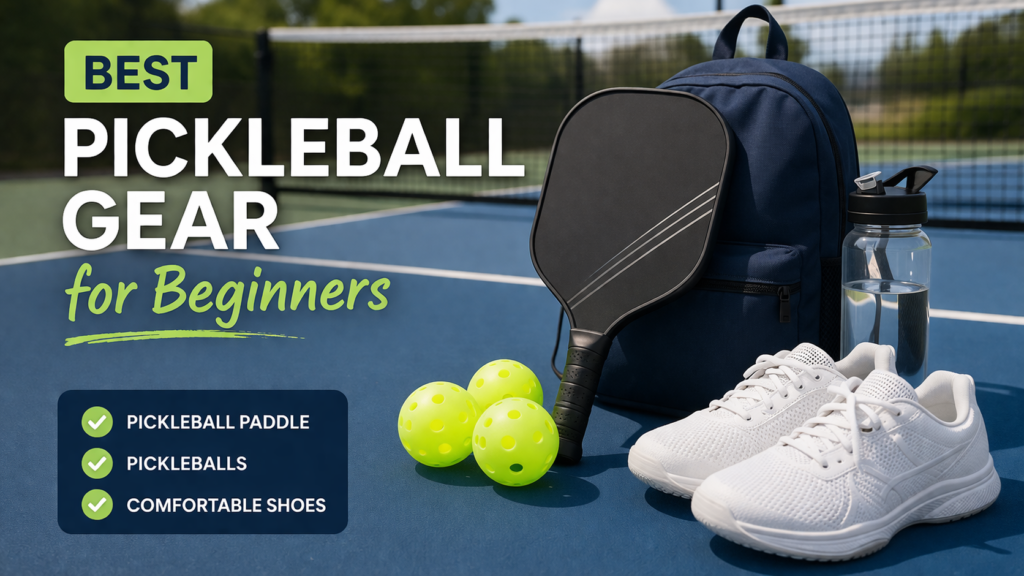
Best Pickleball Gear for Beginners: A Journey Into the Game That Hooks You Before You Realize It
I still remember the first time I picked up a pickleball paddle. It wasn’t planned. I had no expectations, no proper outfit, and definitely no clue what I was doing. A friend dragged me to a local court on a breezy afternoon, promising, “It’s easy—you’ll get it in five minutes.”
Five minutes turned into two hours. Two hours turned into a weekly habit. And before I knew it, I was down a rabbit hole researching paddles, shoes, balls, and gear like my life depended on it.
If you’re just starting out, you might feel that same mix of curiosity and confusion. The good news? You don’t need to overcomplicate things. But having the right beginner gear can make your experience smoother, more enjoyable, and honestly, a lot more addictive.
Let me walk you through it—not as a checklist, but as a story of what actually matters when you’re stepping onto the court for the first time.
The Paddle: Your First Real Decision
If pickleball has a “main character,” it’s the paddle. Everything you do—every serve, dink, and rally—flows through it.
When I first played, I used a random wooden paddle someone handed me. It felt heavy, clunky, and a bit like swinging a cutting board. I still had fun, but when I switched to a proper beginner paddle, everything changed. Suddenly, I could control the ball. My shots felt intentional instead of accidental.
What Beginners Should Look For
You don’t need the most expensive paddle on the market. In fact, starting simple is better.
- Weight: Aim for a midweight paddle (around 7.5–8.5 oz).
Too light, and you’ll lack power. Too heavy, and your arm will tire quickly. - Material: Composite or graphite paddles are ideal.
They’re lighter and offer better control than wooden ones. - Grip Size: This is underrated.
If the grip is too big, you lose control. Too small, and it strains your wrist. Most beginners do well with a medium grip.
Beginner-Friendly Picks
You’ll often see brands like Selkirk, Onix, and JOOLA mentioned. But honestly, any well-reviewed starter set from a trusted brand is a great place to begin.
Think of your first paddle like your first pair of running shoes—it doesn’t need to be perfect, just comfortable and reliable.
The Balls: Not All Plastic Is Equal
At first glance, pickleballs all look the same—plastic, perforated, lightweight. But once you start playing, you’ll notice differences immediately.
The first time I played outdoors, the ball felt faster, louder, and a bit harder to control. Indoors, it was softer, slower, almost forgiving.
Indoor vs Outdoor Balls
- Outdoor balls:
- Heavier
- Smaller holes
- Designed to handle wind
- Faster pace
- Indoor balls:
- Lighter
- Larger holes
- Softer feel
- Slower gameplay
If you’re just starting, check where you’ll be playing most often and get the right type. It makes a bigger difference than you’d expect.
Pro Tip
Buy a few extra balls. They crack, disappear, or roll into places you won’t feel like chasing. It happens more often than you think.
Shoes: The Gear You’ll Appreciate Too Late
I didn’t think shoes mattered—until my third game.
Pickleball involves quick lateral movements, sudden stops, and fast pivots. Regular running shoes aren’t built for that. They’re designed for forward motion, not side-to-side action.
After one slightly awkward step and a near ankle twist, I realized: shoes are not optional.
What to Look For
- Court shoes or tennis shoes (not running shoes)
- Good lateral support
- Durable soles for hard courts
- Comfortable cushioning for longer sessions
Why It Matters
The right shoes don’t just improve performance—they prevent injuries. And when you’re just getting into a sport, the last thing you want is to be sidelined before you’ve even built momentum.
Comfortable Clothing: Keep It Simple
You don’t need a special pickleball outfit. There’s no secret uniform that unlocks better gameplay.
That said, what you wear can affect how you feel on the court.
Go For:
- Breathable fabrics
- Moisture-wicking shirts
- Flexible shorts or athletic pants
- Layers if you’re playing outdoors
I learned quickly that comfort equals confidence. When you’re not adjusting your shirt or overheating, you can focus on the game—and that’s when improvement happens.
Accessories You Didn’t Know You Needed
At first, I thought accessories were unnecessary extras. But over time, a few small additions made a big difference.
1. Grip Tape
Your hands will sweat. Your paddle will slip. It’s inevitable.
Overgrip tape is cheap and easy to replace, and it keeps your paddle feeling secure. It’s one of those things you don’t think about—until you really need it.
2. Paddle Bag
Carrying everything loosely works… for about a week.
A simple bag helps you stay organized and protects your gear. It also makes you feel like you belong on the court, which—surprisingly—boosts your confidence.
3. Water Bottle
This sounds obvious, but pickleball is sneaky. You don’t realize how much you’re moving until you stop.
Hydration matters, especially during longer sessions.
Starter Kits: Worth It or Not?
At some point, you’ll come across beginner bundles—usually including paddles, balls, and sometimes a bag.
I’ll be honest: they’re a great starting point.
Why Starter Kits Work
- Affordable
- Convenient
- No overthinking required
Are they perfect? No.
Are they good enough to get you hooked? Absolutely.
Once you’ve played for a while, you’ll naturally start upgrading based on your preferences.
What You Don’t Need (Yet)
It’s easy to get carried away when you’re excited about something new. I’ve been there—scrolling through gear reviews at midnight, convincing myself I needed “just one more upgrade.”
Here’s what you can safely ignore at the beginning:
- High-end professional paddles
- Specialized spin technology
- Custom gear setups
- Expensive apparel
Focus on playing, not perfecting your equipment. Skill develops faster than gear can compensate for.
The Emotional Side of Starting
This might sound strange in a gear guide, but it matters.
Starting pickleball isn’t just about equipment—it’s about stepping into something unfamiliar. You might feel awkward at first. You might miss easy shots. You might compare yourself to players who’ve been at it longer.
That’s normal.
What surprised me most wasn’t the game itself, but the community. People are welcoming. Games are social. Mistakes are part of the rhythm.
The right gear helps—but what really keeps you coming back is how the game makes you feel.
Building Your Setup Over Time
Think of your pickleball journey in phases.
Phase 1: Just Start
- Basic paddle
- A few balls
- Comfortable clothes
Phase 2: Get Comfortable
- Better shoes
- Grip upgrades
- A reliable bag
Phase 3: Personalize
- Paddle that fits your style
- Accessories that match your routine
There’s no rush. Let your gear evolve with your experience.
Final Thoughts: It’s Not About the Gear—But It Kind of Is
If there’s one thing I’ve learned, it’s this:
The best pickleball gear for beginners isn’t the most expensive or the most advanced. It’s the gear that makes you want to keep playing.
A paddle that feels right in your hand. Shoes that let you move without hesitation. A setup that removes friction instead of adding to it.
Because once the gear fades into the background, something else takes over—the rhythm of the game, the sound of the ball, the laughter between points, the quiet satisfaction of getting just a little bit better each time.
And that’s when you realize: you didn’t just pick up a new sport.
You found something you’ll keep coming back to.