Best Badminton Rackets for Beginners in 2026: My Personal Journey from Frustration to Finding the Right Start
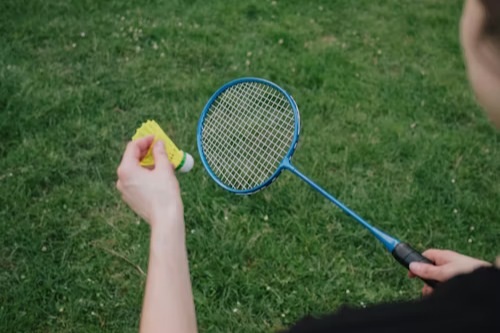
When I first picked up a badminton racket, I didn’t really know what I was looking for. I just grabbed the cheapest one from a local sports shop, thinking, “A racket is a racket, right?” It didn’t take long to realize how wrong I was. The grip felt awkward, my shots lacked power, and every swing felt like I was fighting the racket instead of working with it.
That early frustration is exactly why choosing the right beginner badminton racket matters so much—especially in 2026, where technology, materials, and design have evolved in ways that can genuinely help new players improve faster and enjoy the game more.
So if you’re just starting out, or even thinking about picking up badminton for the first time, let me walk you through this—not like a salesperson, but like someone who’s been there, struggled, and eventually found the right gear.
Why Your First Racket Matters More Than You Think
When you’re a beginner, your focus should be on learning the basics: grip, footwork, timing, and control. The problem is, a poorly chosen racket can make all of that harder.
I remember trying to learn a proper clear shot with a head-heavy, stiff racket meant for advanced players. It felt like swinging a metal rod. My wrist hurt, my timing was off, and I started thinking maybe badminton just wasn’t for me.
But once I switched to a beginner-friendly racket—lighter, more flexible—it was like the game finally made sense. Shots became smoother. My confidence grew. And most importantly, I actually started enjoying the process.
That’s what a good beginner racket should do: support your learning, not challenge it unnecessarily.
What Beginners Should Look for in a Badminton Racket (2026 Edition)
Before jumping into specific models, let’s talk about what actually matters. The market in 2026 is packed with options, and it’s easy to get overwhelmed by flashy marketing.
Here’s what you should really care about:
1. Weight (Go Light, But Not Too Light)
Most beginner rackets fall between 4U (80–84g) and 3U (85–89g).
- 4U rackets are lighter, easier to swing, and great for beginners
- They reduce fatigue and help you develop proper technique
When I switched to a lighter racket, I noticed I could play longer without my arm getting tired. It also helped me react faster during rallies.
2. Flexibility (Your Best Friend as a Beginner)
Flexibility is often overlooked, but it’s crucial.
- Flexible shafts help generate power even if your swing isn’t perfect
- They’re more forgiving, which is exactly what beginners need
Think of it like this: a flexible racket gives you a little “boost” when your technique isn’t fully there yet.
3. Balance (Even or Slightly Head-Light)
Rackets are generally:
- Head-heavy (more power)
- Head-light (more control)
- Even-balanced (a mix of both)
For beginners, even balance or slightly head-light is ideal. It gives you control without sacrificing too much power.
4. Grip Comfort
This one sounds small, but it’s not.
If the grip feels wrong, everything else falls apart. You’ll tighten your hand, lose control, and risk injury.
A good beginner racket should feel natural the moment you hold it.
Best Badminton Rackets for Beginners in 2026
Now let me take you through some of the best beginner-friendly rackets available in 2026. These aren’t just based on specs—they’re based on real usability, comfort, and how forgiving they feel for new players.
1. Yonex Nanoflare Drive (2026 Edition)
If I had to recommend just one racket to a beginner, this would probably be it.
The Nanoflare series has always been known for speed and control, and the 2026 Drive version is designed specifically for newer players.
Why it stands out:
- Lightweight (4U)
- Head-light balance
- Flexible shaft
- Easy maneuverability
When I tried this racket, what stood out immediately was how effortless it felt. Quick reactions at the net became easier, and defensive shots didn’t feel rushed or clumsy.
It doesn’t overpower you—it supports you.
2. Li-Ning Wind Lite 700
Li-Ning has been stepping up big time, and the Wind Lite series is perfect for beginners who want something modern and reliable.
Key features:
- Ultra-lightweight design
- Aerodynamic frame
- Comfortable grip
- Great for fast play
This racket feels almost “invisible” in your hand—in a good way. It allows you to focus on your movement and timing instead of the weight of the racket.
I remember thinking, “This is what badminton is supposed to feel like.”
3. Victor Auraspeed 11 B (Beginner Version)
Victor is often associated with advanced players, but they’ve made beginner-friendly versions of their popular lines.
Why beginners love it:
- Even balance
- Medium flex
- Stable frame
- Great control
This racket is slightly more “serious” than others on this list. It gives you a taste of performance without being too demanding.
If you’re someone who plans to improve quickly and stick with the sport, this is a great long-term option.
4. Yonex Astrox Lite 27i
If you want a bit more power without sacrificing too much control, the Astrox Lite series is worth considering.
Highlights:
- Slightly head-heavy
- Flexible shaft
- Beginner-friendly power generation
I tried this racket during a casual doubles game, and smashes felt noticeably stronger—even without perfect technique.
It’s a great choice if you enjoy attacking play but still need forgiveness.
5. Apacs Feather Weight 55
This one surprised me.
Apacs isn’t always the first brand people think of, but the Feather Weight 55 is incredibly beginner-friendly.
Why it works:
- Extremely lightweight
- Very easy to handle
- Budget-friendly
It’s perfect if you’re just starting out and don’t want to invest too much yet.
Honestly, this is the kind of racket I wish I had when I first started—it would’ve saved me a lot of frustration.
Common Mistakes Beginners Make (I Made These Too)
Let me be real for a moment—most beginners don’t choose the wrong racket because they don’t care. They choose wrong because they don’t know what to look for.
Here are some mistakes I personally made:
Buying Based on Looks
I once picked a racket just because it looked “cool.” Dark colors, sharp design—it felt professional.
It played terribly for me.
Lesson learned: performance matters more than aesthetics.
Choosing What Advanced Players Use
It’s tempting to copy professional players. If they use a stiff, head-heavy racket, it must be good, right?
Not for beginners.
Those rackets are designed for high-level technique and strength. Using them too early can actually slow your progress.
Ignoring String Tension
This one is often overlooked.
- Beginners should use lower tension (around 20–24 lbs)
- Higher tension = more control but less forgiveness
When I lowered my string tension, my shots immediately became more consistent.
How the Right Racket Changes Your Experience
There’s a moment every beginner has—when the game suddenly “clicks.”
For me, it happened during a simple rally. I wasn’t thinking about my grip, my stance, or my swing. Everything just flowed.
And a big part of that was finally having a racket that worked with me.
The right beginner racket won’t make you a pro overnight. But it will:
- Reduce frustration
- Improve consistency
- Help you enjoy the game more
And honestly, that’s what keeps people playing.
Final Thoughts: Start Simple, Grow Naturally
If you’re just starting badminton in 2026, don’t overcomplicate things.
You don’t need the most expensive racket. You don’t need pro-level specs. What you need is something that feels comfortable, forgiving, and easy to use.
Start simple.
As your skills improve, your preferences will become clearer. You’ll begin to notice what you like—more power, more control, faster swings—and that’s when upgrading makes sense.
But for now?
Pick a racket that helps you fall in love with the game.
Because once you do, everything else—technique, skill, even the perfect racket—will come naturally.
Related Post

Best Pickleball Paddles for Control: My Personal Journey from Power-Driven Mistakes to Precision and Consistency
When I first picked up a pickleball paddle, I didn’t think much about “control.” Like [...]
How to Buy Authentic Rackets Online: My Personal Journey from Getting Scammed to Finding Trustworthy Sellers and Real Quality
How to Buy Authentic Rackets Online: A Personal Journey Through Doubt, Discovery, and Confidence I [...]