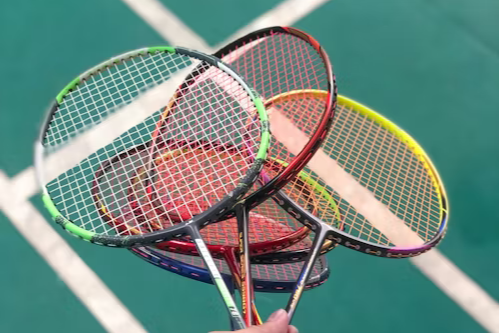
Best Tennis Rackets for Spin Control: My Personal Journey of Discovering How to Shape Every Shot with Precision

Best Tennis Rackets for Spin Control: A Personal Journey into Finding the Perfect Whip
I still remember the first time I realized what “spin” actually meant on a tennis court. It wasn’t during a lesson, and it definitely wasn’t something I read in a guide. It happened on a hot afternoon, the kind where the air feels heavy and every bounce of the ball sounds louder than usual. I was playing against someone who didn’t hit particularly hard, but every ball they sent over the net seemed to dip at the last second, jumping up high and pushing me further and further behind the baseline. I kept thinking, how is that even possible?
That day, I didn’t just lose a match—I discovered a new dimension of tennis. And like most players who go through that moment, I became slightly obsessed with spin.
Over time, I realized that while technique matters the most, your racket plays a surprisingly big role in how much spin you can generate. Not all rackets are built the same. Some feel like precision tools for flat hitters, while others seem to grab the ball and sling it forward with a wicked curve.
This is where the search begins: finding the best tennis racket for spin control. And trust me, it’s not just about picking the most popular model—it’s about finding the one that matches your style, your swing, and even your personality on the court.
Why Spin Control Matters More Than You Think
At first, I thought spin was just for advanced players. Something flashy. Something extra. But the more I played, the more I realized that spin isn’t just a “nice-to-have”—it’s a game changer.
Topspin helps you hit aggressively while still keeping the ball inside the lines. It gives you margin for error. Instead of worrying about hitting long, you can swing faster and let the spin pull the ball down into the court.
Then there’s slice—low, skidding, and incredibly annoying for your opponent. And kick serves? They can turn a simple serve into something that jumps awkwardly and throws off timing completely.
But here’s the thing: generating spin consistently requires the right combination of technique and equipment. And that’s where your racket comes in.
What Makes a Tennis Racket Good for Spin?
Before diving into specific models, it helps to understand what actually contributes to spin.
1. Open String Pattern
This was one of the first things I learned. Rackets with open string patterns (like 16×19 or even 16×15) allow the strings to move more. That movement helps “snap” the ball, creating more spin.
Think of it like brushing up on the ball—the strings need space to grip and release.
2. Head Size
Larger head sizes (100 sq in and above) generally offer more forgiveness and a larger sweet spot, which can help generate spin even when your contact isn’t perfect.
3. Frame Design and Aerodynamics
Some rackets are designed to move faster through the air. These aerodynamic frames make it easier to accelerate your swing, which directly translates into more spin potential.
4. String Technology
While technically not part of the racket itself, the way a racket interacts with strings matters. Spin-friendly rackets often pair well with polyester strings that enhance grip and snapback.
My Journey Through Spin-Friendly Rackets
I didn’t find the “perfect” racket overnight. In fact, I went through several before I understood what worked for me.
Let me walk you through some of the best tennis rackets for spin control—along with the kind of player they might suit.
1. Babolat Pure Aero – The Spin King
This was the first racket that truly made me feel spin.
The moment I picked up the Babolat Pure Aero, something changed. My forehand had more shape, my shots dipped faster, and even my mishits seemed to land in.
It’s no surprise—this is the racket famously associated with Rafael Nadal.
What makes it special:
- Aerodynamic frame for faster swing speed
- Open 16×19 string pattern
- Designed specifically for heavy topspin
Who it’s for:
If you like hitting with aggressive topspin and want your shots to push opponents back, this racket is hard to beat.
My experience:
At first, it felt almost too powerful. Balls were flying deeper than I expected. But once I adjusted my swing, it became a weapon. My cross-court forehand started curving in ways I hadn’t seen before.
2. Wilson Blade 98 (16×19) – Spin Meets Control
After the Pure Aero, I wanted something a bit more controlled. That’s when I tried the Wilson Blade 98.
This racket felt different right away—more connected, more precise.
What stands out:
- Smaller head size (98 sq in) for control
- Open string pattern for spin
- Flexible frame for better feel
Who it’s for:
Players who want spin but don’t want to sacrifice precision.
My experience:
The Blade didn’t give me “free spin” like the Pure Aero, but it rewarded good technique. When I hit cleanly, the ball had both spin and accuracy. It felt like I had more say in where the ball was going.
3. Yonex VCORE 100 – Effortless Spin and Comfort
Yonex rackets always intrigued me, mostly because of their unique head shape.
When I tried the VCORE 100, I understood why so many players love it.
Key features:
- Isometric head shape for a larger sweet spot
- Spin-focused design
- Comfortable feel on impact
Who it’s for:
Players who want a mix of spin, comfort, and forgiveness.
My experience:
This racket felt easy. That’s the best way to describe it. I didn’t have to force anything—spin came naturally. It was also noticeably more comfortable on my arm, which made long sessions much more enjoyable.
4. Head Extreme MP – Maximum Spin Potential
The Head Extreme line is often compared to the Pure Aero, and for good reason.
What it offers:
- Very open string pattern
- Spin grommets that allow more string movement
- High launch angle
Who it’s for:
Players who want maximum spin with minimal effort.
My experience:
This racket felt like it was built for heavy topspin rallies. The ball jumped off the court with a lot of kick. It took some adjustment, especially controlling depth, but once I got used to it, it became incredibly fun to use.
5. Dunlop SX 300 – The Underrated Spin Machine
Not as hyped as the others, but definitely worth mentioning.
Highlights:
- Spin Boost technology
- Open string pattern
- Good balance of power and control
Who it’s for:
Players looking for a solid spin racket without going for the most mainstream options.
My experience:
I was surprised by how consistent this racket felt. It didn’t have the same “wow” factor as the Pure Aero, but it delivered reliable spin and control. Sometimes, that consistency is exactly what you need.
Choosing the Right Racket for You
Here’s something I wish someone had told me earlier: the “best” racket isn’t the one with the most spin—it’s the one that helps you play your best tennis.
Ask yourself:
- Do I swing fast or slow?
- Do I prefer control or power?
- Do I rely on heavy topspin or flatter shots?
If you swing fast and want maximum spin, something like the Pure Aero or Head Extreme might suit you.
If you want a balance between spin and control, the Wilson Blade or Yonex VCORE could be better.
The Role of Technique (You Can’t Ignore This)
I’d be lying if I said the racket did all the work.
There was a point where I kept switching rackets, thinking the next one would magically fix everything. It didn’t.
Spin comes from:
- Brushing up on the ball
- Accelerating your racket head
- Proper footwork and positioning
The racket enhances your ability—but it doesn’t replace the fundamentals.
Strings Matter More Than You Think
I didn’t pay much attention to strings at first, and that was a mistake.
Once I switched to polyester strings, everything changed. Suddenly, the ball felt like it stayed on the strings longer, and the spin increased noticeably.
A good spin setup usually includes:
- Polyester strings
- Slightly lower tension for more snapback
Final Thoughts: Finding Your Spin Identity
Looking back, the journey to finding the right spin racket wasn’t just about equipment—it was about understanding my own game.
Each racket taught me something:
- The Pure Aero showed me what heavy spin feels like
- The Blade taught me control and precision
- The VCORE reminded me that comfort matters
And somewhere along the way, I stopped chasing the “perfect” racket and started focusing on how I wanted to play.
That’s really what this is all about.
Because spin isn’t just a technique—it’s a style. It’s how you shape points, control rallies, and express yourself on the court.
So if you’re out there searching for the best tennis racket for spin control, don’t just look at specs or reviews. Try them. Feel them. Pay attention to how the ball leaves your strings.
You’ll know when it clicks.
And when it does, you won’t just see the difference—you’ll feel it in every swing.
Related Post
Best Racket Deals Right Now (2026 Guide – Top Discounts You Should Check Today)
Last updated: March 2026 | Latest racket deals available now I still remember walking into [...]
Best Rackets for Injury Prevention: Top Comfortable and Arm-Friendly Options to Reduce Strain and Improve Long-Term Play
Best Rackets for Injury Prevention I still remember the first time my wrist started to [...]