How to Choose a Racket for Seniors: A Personal Story of Rediscovering the Game with Comfort, Ease, and Confidence
How to Choose a Racket for Seniors: A Story of Rediscovery, Comfort, and Joy on the Court
I still remember the first time my father picked up his old racket again after nearly a decade. It had been sitting quietly in the corner of the storage room, strings loose, grip worn smooth by time and memory. He held it like you would hold a photograph—carefully, almost reverently. But as he swung it gently in the air, something felt off. “It’s heavier than I remember,” he said, half-smiling, half-wincing.
That moment taught me something simple but important: choosing a racket as a senior isn’t just about performance. It’s about comfort, safety, and rediscovering joy in a way that fits your body today—not the body you had years ago.
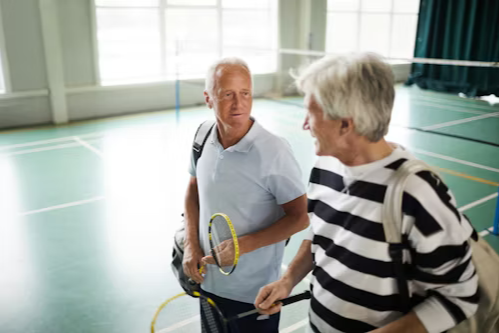
If you or someone you love is stepping back onto the tennis, badminton, or pickleball court later in life, this guide is for you. Let’s walk through it together—not as a checklist, but as a story of finding the right fit.
1. Understanding the Changing Body
As we age, our bodies change in ways that are both visible and subtle. Strength may decrease, joints can become more sensitive, and reaction times may slow down. But that doesn’t mean the game is over—it just means the equipment needs to adapt.
I noticed this with my father. He used to prefer a heavy racket because it gave him power and control. But now, that same weight strained his shoulder after just a few swings.
So the first question isn’t: What’s the best racket?
It’s: What does your body need now?
For seniors, the right racket should reduce strain, not add to it. It should support your movements, not challenge them unnecessarily.
2. Weight: Lighter Isn’t Always Weak
One of the biggest misconceptions is that a lighter racket means less power. That’s not entirely true—especially for seniors.
A lighter racket:
- Is easier to swing
- Reduces fatigue
- Lowers the risk of injury (especially shoulder and elbow)
For example, in tennis:
- Seniors often benefit from rackets weighing 260g–290g (unstrung)
In badminton:
- Look for rackets in the 4U or 5U range (lighter categories)
In pickleball:
- A paddle around 7.3–8.4 ounces is usually ideal
My father eventually switched to a lighter racket. At first, he worried he’d lose his “power.” But something surprising happened—he started hitting more consistently. Less strain meant better timing, and better timing meant better shots.
Sometimes, less really is more.
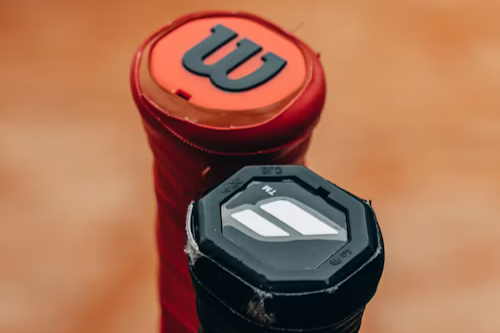
3. Grip Size: Comfort Is Everything
Grip size is one of the most overlooked factors, yet it can make or break your experience.
A grip that’s too small:
- Forces you to squeeze harder
- Leads to wrist strain
A grip that’s too large:
- Limits control
- Feels awkward and stiff
A simple trick I learned:
When holding the racket, there should be about a finger’s width of space between your fingers and palm.
For seniors, comfort matters more than ever. Many also prefer softer, cushioned grips to reduce vibration and pressure on the hands.
I remember wrapping an extra overgrip on my father’s racket. It wasn’t a big change, but he immediately noticed the difference. “Feels kinder on my hand,” he said.
That’s the goal—kindness to your body.
4. Balance: Finding Stability Without Strain
Rackets come in three main balance types:
- Head-heavy (more power)
- Head-light (more control and maneuverability)
- Even balance
For seniors, head-light or even balance rackets are often the best choice.
Why?
Because they:
- Reduce strain on the wrist and shoulder
- Allow quicker reactions
- Feel easier to control
Head-heavy rackets can generate power, but they also require more effort—something that can become tiring quickly.
When my father tested a head-light racket, he said it felt “faster,” even though he wasn’t moving any quicker. That’s the beauty of good design—it works with you, not against you.
5. String Tension: Softer Is Smarter
This is something many people don’t think about, but it matters a lot.
Higher string tension:
- Offers more control
- Feels harder on impact
Lower string tension:
- Provides more power
- Feels softer and more forgiving
For seniors, lower tension is usually better because it:
- Reduces shock on the arm
- Makes hitting easier
- Adds a bit of “free power”
In tennis, this might mean stringing at the lower end of the recommended range. In badminton, it means avoiding very high tension setups.
We restrung my father’s racket at a lower tension, and the difference was immediate. The sound changed, the feel softened, and most importantly—he smiled after his first clean hit.
6. Material Matters: Technology as a Friend
Modern rackets are built with advanced materials like graphite, carbon fiber, and composite blends. These materials are:
- Lightweight
- Durable
- Better at absorbing vibration
For seniors, this is a huge advantage.
Older rackets—like the one my father had—tend to be heavier and less forgiving. Upgrading isn’t just about performance; it’s about comfort and injury prevention.
If there’s one investment worth making, it’s this.
Think of it not as replacing the past, but as supporting the present.
7. Vibration Dampening: Protecting the Arm
As we age, conditions like tennis elbow become more common. One major cause is vibration traveling from the racket to the arm.
Look for rackets with:
- Built-in vibration dampening systems
- Flexible frames
- Softer strings
In tennis, you can also add a vibration dampener to the strings.
My father used to complain about a slight ache after playing. After switching to a racket designed to reduce vibration, that ache slowly disappeared.
It’s a small feature—but it makes a big difference.
8. Testing Before Choosing
This might be the most important advice of all: try before you buy.
What feels right on paper might not feel right in your hand.
If possible:
- Visit a sports store
- Demo different rackets
- Swing them, even without hitting a ball
Pay attention to:
- How heavy it feels after a few swings
- Whether your arm feels relaxed or tense
- How natural the grip feels
When my father tried three different rackets, he didn’t choose the most expensive one or the most recommended one. He chose the one that felt “easy.”
And honestly, that’s the best criterion.
9. Choosing the Right Sport Variation
Another thing to consider is whether the version of the sport still fits your lifestyle.
Many seniors today are switching to:
- Pickleball instead of tennis
- Doubles instead of singles
- Light badminton sessions instead of competitive matches
These adjustments reduce physical strain while keeping the joy of the game alive.
And the racket (or paddle) you choose should match that style.
It’s not about playing less—it’s about playing smarter.
10. The Emotional Side of Choosing a Racket
This might sound strange, but choosing a racket later in life is not just a technical decision—it’s an emotional one.
It represents:
- A return to something you once loved
- A willingness to adapt
- A quiet kind of resilience
I saw this clearly in my father.
The first day he brought his new racket to the court, he looked a little unsure. But after a few rallies, something shifted. His movements became more confident, his laughter more frequent.
It wasn’t about winning or losing. It was about being there again.
11. Common Mistakes to Avoid
Let’s be honest—there are a few traps that are easy to fall into:
1. Choosing a racket that’s too heavy
Because “that’s what I used before.”
2. Ignoring grip comfort
Thinking it’s a minor detail—it’s not.
3. Going for high tension strings
In pursuit of control, at the cost of comfort.
4. Buying based on brand or appearance
Instead of how it actually feels.
5. Not updating old equipment
Sometimes nostalgia holds us back.
Avoiding these mistakes can make the difference between frustration and enjoyment.
12. A Simple Checklist (If You Need One)
Even though this is a story, here’s a quick summary you can keep in mind:
- Weight: Light to medium
- Grip: Comfortable, slightly cushioned
- Balance: Head-light or even
- String tension: Lower range
- Material: Modern, vibration-absorbing
- Feel: Easy, natural, pain-free
If a racket checks all these boxes, you’re on the right track.
13. Ending Where We Began
A few weeks after getting his new racket, my father asked me to join him for a game. It wasn’t intense. We didn’t keep score seriously. But every now and then, he would hit a clean shot and look over with a grin that said everything.
“This one feels right,” he told me.
And I realized—that’s what choosing a racket for seniors is really about.
Not chasing perfection.
Not trying to turn back time.
But finding something that feels right for who you are today.
Because at the end of the day, the best racket isn’t the one with the most advanced technology or the highest price tag.
It’s the one that lets you keep playing.
And sometimes, that’s all we really need.
Related Post
How to Choose the Right Racket for Doubles: My Personal Journey of Speed, Control, and Finding the Perfect Match
How to Choose the Right Racket for Doubles — A Personal Journey into Finding the [...]
Best Tennis Rackets for Spin Control: My Personal Journey of Discovering How to Shape Every Shot with Precision
Best Tennis Rackets for Spin Control: A Personal Journey into Finding the Perfect Whip I [...]