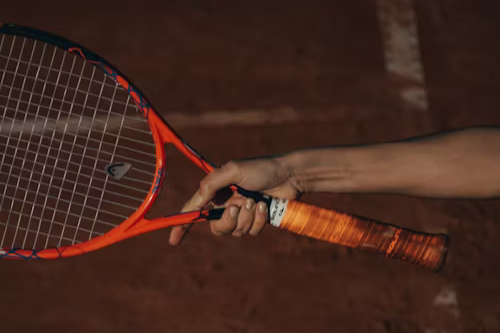
How to Choose the Right Racket for Power: A Complete Guide to Maximizing Strength, Speed, and Effortless Shot Performance
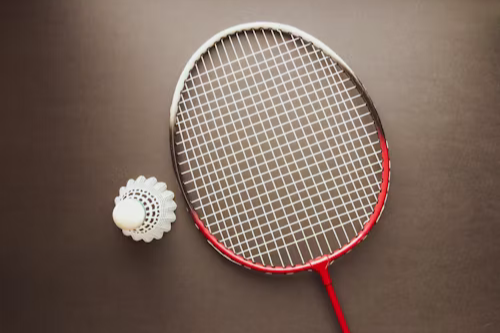
When I first started playing tennis, I thought power came from strength alone. I watched players on TV—effortless swings, explosive serves, forehands that sounded like thunder—and I assumed they were simply stronger than me. So I tried to swing harder, hit faster, and muscle the ball across the court. The result? My shots were inconsistent, my arm got tired quickly, and nothing felt quite right.
It wasn’t until a quiet afternoon at a local court, when an older player lent me his racket, that something changed. I remember taking a simple swing—nothing special, nothing forced—and the ball flew off the strings with surprising speed and depth. It felt… easy. That was the moment I realized: power in tennis isn’t just about the player. It’s about the racket, too.
Choosing the right racket for power is a journey, not a one-time decision. And if you’re in the middle of writing your own tennis story, understanding how to pick the right one can change everything.
The Moment You Realize Your Racket Matters
There’s always a turning point. Maybe you’ve been playing for a while, and your shots feel weak no matter how hard you try. Or maybe you’re improving, but something still feels off—like you’re working too hard for too little reward.
That’s when the question appears: Is it me, or is it the racket?
The truth is, it’s often both. But the racket can either hold you back or unlock your potential.
Power-oriented rackets are designed to do one thing very well: help you generate more pace with less effort. They’re especially helpful if:
- You don’t have full, fast swings yet
- You’re still developing technique
- You want easier depth and stronger shots without straining your arm
But not all power rackets are the same. And picking one isn’t as simple as grabbing the most expensive or the most popular option.
Understanding What “Power” Really Means
Before choosing a racket, it helps to understand what “power” actually is in tennis.
Power isn’t just hitting hard—it’s how efficiently energy transfers from your swing into the ball. A good power racket amplifies your effort. Even a moderate swing can produce a deep, fast shot.
Think of it like this:
A control racket is like a manual car—you control everything, but it requires skill.
A power racket is more like an automatic—it helps you along the way.
That doesn’t mean power rackets are “better.” It just means they’re better suited for certain players, especially beginners and intermediates.
My First Power Racket (And What I Learned)
I still remember buying my first real power racket. I didn’t know much—I just knew I wanted something that made the game easier.
I walked into a small sports shop, overwhelmed by choices. The rackets looked similar, but the specs were confusing: head size, weight, balance, string pattern. It all felt like a different language.
The shop owner asked me a simple question:
“Do you want control, or do you want help?”
I paused. Then I said, “I think I need help.”
He smiled and handed me a racket with a larger head and lighter weight. “Try this,” he said.
That racket wasn’t perfect. But it taught me something important: the right racket doesn’t just improve your game—it changes how you feel while playing. Suddenly, I wasn’t forcing shots anymore. I was swinging freely.
Key Factors That Influence Power
As I continued playing and experimenting with different rackets, I began to understand the features that actually matter. If you’re choosing a racket for power, here are the things you should pay attention to:
1. Head Size: Bigger Sweet Spot, More Power
One of the easiest ways to get more power is by choosing a racket with a larger head size.
A bigger head means:
- A larger sweet spot (the area that feels best when you hit the ball)
- More forgiveness on off-center shots
- Greater trampoline effect, which boosts power
If you’re just starting out or still improving, a head size between 100–110 square inches is ideal for power.
I remember switching from a smaller head to a larger one—it felt like the racket was doing half the work for me.
2. Weight: Lighter Isn’t Always Better, But It Helps
Lighter rackets are easier to swing, which can help generate speed—and speed creates power.
For many players:
- Lightweight rackets (260–285g) are easier to handle
- They reduce fatigue during long matches
- They help you react faster, especially at the net
However, there’s a balance. If a racket is too light, it might feel unstable against fast shots.
I made this mistake once—chose a super light racket thinking it would give me effortless power. Instead, it felt shaky when returning strong serves.
The lesson? Look for a racket that feels light but still solid.
3. Balance: Where the Weight Is Distributed
Balance plays a bigger role than most people expect.
- Head-heavy rackets: More weight toward the top → more power
- Head-light rackets: More control and maneuverability
If your goal is power, a slightly head-heavy balance can help you hit deeper shots with less effort.
The first time I used a head-heavy racket, my groundstrokes suddenly had more depth—even when I didn’t swing harder.
4. String Pattern: Open Patterns Add Lift and Speed
String patterns affect how the ball leaves the racket.
- Open string pattern (e.g., 16×19) → more power and spin
- Dense pattern (e.g., 18×20) → more control
An open string pattern allows the strings to move more, creating a “snapback” effect that adds both power and spin.
For me, switching to a more open pattern made my shots feel livelier. The ball didn’t just go forward—it jumped.
5. Stiffness: The Hidden Power Factor
This is something I didn’t understand at first.
- Stiffer rackets → more power (less energy lost)
- Flexible rackets → more control and comfort
A stiffer frame returns more energy to the ball, which means more power. But it can also feel harsher on the arm.
If you’ve ever hit with a racket that felt “crisp” or “poppy,” that’s stiffness at work.
The key is finding a balance—enough stiffness for power, but not so much that it becomes uncomfortable.
The Emotional Side of Choosing a Racket
This might sound strange, but choosing a racket is also emotional.
There’s a moment when you pick one up, swing it, and something just clicks. It feels right—not because of the specs, but because of how it connects with you.
I’ve tried rackets that were “perfect” on paper but didn’t feel good in my hands. And I’ve used others that weren’t ideal technically, but gave me confidence.
Confidence matters more than we think.
When you trust your racket, you swing more freely. And when you swing freely, power comes naturally.
Common Mistakes to Avoid
Looking back, I made plenty of mistakes when choosing rackets. Here are a few you can avoid:
1. Choosing based on pros
Just because a professional uses a certain racket doesn’t mean it’s right for you. Their needs are completely different.
2. Ignoring comfort
Power is useless if your arm hurts after playing. Always consider how the racket feels.
3. Focusing only on one feature
A racket isn’t just head size or weight—it’s the combination that matters.
4. Not testing before buying
If possible, always try a racket first. Even a few swings can tell you a lot.
How to Know You’ve Found the Right One
There’s no perfect formula, but there are signs you’re on the right track:
- Your shots go deeper without extra effort
- You feel less tired after playing
- Your timing improves naturally
- You enjoy hitting more
For me, the biggest sign was simple: I started smiling more on the court.
Growing With Your Racket
As your skills improve, your needs will change.
The racket that helps you today might not be the one you need a year from now—and that’s okay.
At first, I needed maximum help. Bigger head, lighter frame, easy power.
Later, I wanted more control. I adjusted slowly, finding a balance between power and precision.
Tennis is a long journey, and your racket evolves with you.
Final Thoughts: Power Isn’t Forced—It’s Found
If there’s one thing I wish I knew earlier, it’s this:
Power doesn’t come from trying harder. It comes from finding the right tools and learning how to use them.
The right racket won’t magically turn you into a pro. But it will make the game more enjoyable, more natural, and more rewarding.
And sometimes, that’s all you need to take the next step.
So take your time. Try different rackets. Pay attention to how they feel, not just how they look.
Because one day, you’ll hit a shot that feels effortless—and you’ll realize you’re no longer chasing power.
You’ve found it.
Related Post
How to Choose Arm-Friendly Rackets: My Personal Journey from Elbow Pain to Playing Comfortably and Confidently Again
How to Choose Arm-Friendly Rackets: A Personal Journey to Playing Pain-Free I didn’t think much [...]
Why Your Racket Is Holding You Back: My Personal Journey from Self-Doubt to Discovering the Real Problem Behind My Game
Why Your Racket Is Holding You Back I didn’t realize it at first. For the [...]