How to Choose the Right Racket Grip Size: A Simple Guide to Improving Comfort, Control, and Overall Performance
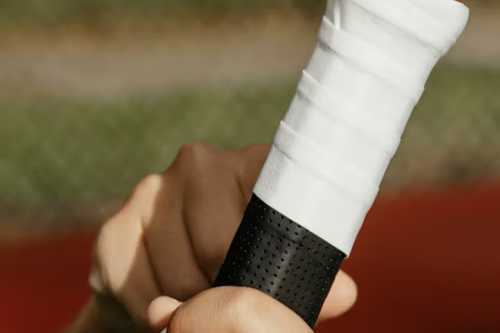
Choosing the right racket grip size might sound like a small detail at first, something you can easily overlook when you’re excited about getting a new tennis, badminton, or squash racket. I used to think the same way. Back then, I cared more about how the racket looked, how light it felt in my hand, or whether my favorite player used it. Grip size? That felt like a technicality—until it wasn’t.
I still remember the first time I realized something was off. I had been playing for a few weeks, enjoying the rhythm of hitting the ball, chasing shots, and slowly improving. But then, this dull discomfort started creeping into my hand. It wasn’t sharp pain, just a persistent strain that made me hesitate before every swing. At first, I ignored it. I thought maybe I was just overplaying or gripping too tightly. But as days went by, it got worse. That’s when a coach casually asked me, “Are you sure that grip size fits you?”
That question changed everything.
Why Grip Size Matters More Than You Think
Before diving into how to choose the right grip size, it’s important to understand why it even matters. A racket is essentially an extension of your arm. If the connection between your hand and the racket isn’t right, everything else—your control, power, comfort—starts to fall apart.
When your grip size is too small, you tend to squeeze the handle tighter to keep control. That extra tension travels up your arm, increasing the risk of injuries like tennis elbow. On the other hand, if the grip is too large, your wrist loses flexibility. You’ll struggle to generate spin, react quickly, or adjust your shots.
It’s a bit like wearing shoes. Too tight, and your feet ache. Too loose, and you stumble. The right fit doesn’t just feel comfortable—it lets you move naturally without thinking about it.
My First Mistake: Ignoring My Own Feel
Looking back, I realize I made a very common mistake: I chose a racket based on someone else’s preference. My friend recommended a model he loved, and I bought it without questioning the grip size. It felt “okay” in the store, but I didn’t spend enough time actually holding it properly or simulating real play.
That’s something many beginners do. We assume that if something works for someone else, it will work for us. But hands are different—different sizes, finger lengths, palm widths. What feels perfect to one person might feel completely wrong to another.
The Basic Rule: The Finger Test
One of the simplest ways to check if a grip size is right is something often called the “finger test.” I wish I had known this earlier.
Here’s how it works: hold the racket with your usual grip. Then, try to fit the index finger of your other hand into the space between your fingers and your palm. If it fits snugly—not too tight, not too loose—that’s generally a good sign.
If there’s no space at all, the grip is too small. If there’s too much space, it’s too big.
I remember trying this for the first time and being surprised. The racket I had been using? Definitely too small. No wonder my hand felt strained.
Measuring Grip Size: A More Precise Approach
If you prefer something more precise, there’s another method involving measurement. You can measure from the tip of your ring finger down to the second crease in your palm. This length corresponds roughly to your ideal grip size.
Grip sizes are often labeled differently depending on the sport and brand. For example, in tennis, you might see sizes like L0, L1, L2, and so on. Each step represents a small increase in circumference.
At first, these numbers can feel confusing. But once you understand your own measurement, it becomes much easier to navigate.
Still, even with measurements, nothing replaces actually holding the racket. Numbers can guide you, but your hand will tell you the truth.
The Subtle Art of Adjusting Grip Size
One thing I didn’t realize at the beginning is that grip size isn’t completely fixed. You can adjust it.
If a grip is slightly too small, you can add an overgrip. These are thin layers you wrap around the handle, and they can slightly increase the size while also improving comfort and sweat absorption. Many players, including professionals, use overgrips regularly.
But if the grip is too big, you’re in a tougher situation. You can’t easily make it smaller without changing the base grip entirely, which is more complicated.
That’s why a common piece of advice is to choose a slightly smaller grip if you’re unsure. You can always build it up, but reducing it is harder.
I learned this the hard way. After switching to a slightly smaller grip and adding an overgrip, the difference was immediate. My hand felt more relaxed, and my shots became more controlled.
Comfort vs. Control: Finding Your Balance
As I played more, I noticed something interesting. Even within the “correct” grip size range, there’s still room for personal preference.
Some players prefer a slightly smaller grip because it allows for more wrist action and spin. Others prefer a slightly larger grip for stability and control, especially when hitting powerful shots.
There’s no universal “perfect” size. It’s more about finding what works best for your playing style.
For me, I leaned toward a slightly smaller grip. I liked the freedom it gave my wrist, especially during quick exchanges. But I also had to be careful not to grip too tightly, which was a habit I had to consciously break.
Signs You’re Using the Wrong Grip Size
If you’re unsure whether your current grip size is right, your body often gives you clues.
When the grip is too small, you might notice:
- Your hand feels tense or fatigued quickly
- You tend to overgrip the handle
- You experience discomfort in your wrist or elbow
When the grip is too large, you might feel:
- Difficulty in adjusting your grip quickly
- Reduced control over spin and finesse shots
- A sense that the racket feels “bulky” or hard to maneuver
I remember feeling all of these at different times. It’s almost like your hand is trying to tell you something is wrong, but you don’t know how to listen—until you do.
Trying Before Buying: A Lesson Learned Late
If there’s one piece of advice I wish I could give my younger self, it would be this: always try before you buy.
Spend a few minutes holding different grip sizes. Better yet, if possible, hit a few balls. Pay attention to how your hand feels—not just immediately, but after a bit of use.
Comfort isn’t always obvious in the first few seconds. Sometimes, it reveals itself over time.
I used to rush this process, eager to make a purchase. Now, I take my time. Because I’ve learned that the right choice here can save you from weeks—or even months—of discomfort later.
The Emotional Side of Small Details
It’s funny how something as small as a grip size can influence your entire experience. When my racket finally felt right, everything else seemed to fall into place. I enjoyed playing more. I felt more confident. Even my progress improved.
It made me realize that sometimes, it’s the smallest adjustments that create the biggest changes.
We often chase big improvements—better techniques, stronger shots, faster footwork. But sometimes, the real breakthrough comes from fixing something simple, something we almost ignored.
Final Thoughts: Listen to Your Hand
If there’s one takeaway from my journey, it’s this: don’t ignore how something feels in your hand.
Your hand is incredibly sensitive. It knows when something is off, even if you can’t immediately explain why. Trust that feeling.
Choosing the right racket grip size isn’t just about measurements or guidelines. It’s about finding a connection that feels natural, effortless, and comfortable.
And when you find it, you’ll notice the difference—not just in your performance, but in how much you enjoy the game.
Because at the end of the day, that’s what really matters.
Related Post
Best Online Stores for Rackets: My Personal Journey from Local Shops to Finding the Perfect Gear Through Online Shopping
Best Online Stores for Rackets: A Personal Journey to Finding the Perfect Gear I still [...]
Common Mistakes When Buying Rackets: My Personal Journey of Wrong Choices and Lessons Learned the Hard Way
Common Mistakes When Buying Rackets (And the Lessons I Learned the Hard Way) I still [...]