Best Rackets Tested by Experts: Top Picks for Power, Control, Comfort, and All-Around Performance
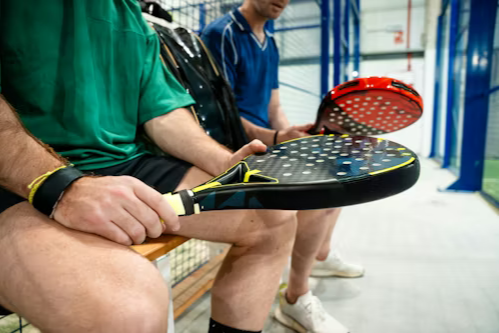
Best Rackets Tested by Experts: A Journey Through Performance, Feel, and Finding “The One”
I still remember the first time I picked up a racket that actually felt right. Not just good, not just decent—but like it understood me. The grip settled naturally into my palm, the weight balanced itself as if it had always belonged there, and every swing felt effortless. That moment changed how I thought about rackets forever.
Before that, I used whatever was available. Hand-me-downs, discounted models, flashy designs that looked impressive but didn’t quite deliver. I thought a racket was just… a racket. But once I started paying attention—really paying attention—I realized how much difference the right one can make. It’s not just equipment. It’s an extension of you.
Over the past few years, I’ve followed expert reviews, watched tests, tried out models whenever I could, and slowly built an understanding of what separates a good racket from a great one. This isn’t just a list of “top rackets.” It’s a story of discovery—of how different rackets suit different styles, and how experts evaluate them beyond just specs on paper.
What Experts Actually Look For
At first, I thought experts just cared about brand names and price tags. But the deeper I went, the more I realized how detailed their evaluations are.
They don’t just ask, “Is this powerful?” They ask:
- How does it feel on off-center hits?
- Does it stay stable under pressure?
- Can it generate spin without sacrificing control?
- How does it behave over long matches?
One expert described testing a racket like “having a conversation with it.” That stuck with me. Because when you play, you’re constantly communicating—through every swing, every impact, every adjustment.
The key factors experts usually focus on include:
1. Power vs Control
Some rackets give you easy power—you barely swing, and the ball flies. Others require more effort but reward you with precision. The best rackets balance both, depending on your style.
2. Comfort and Feel
A racket might perform well but feel harsh. Experts pay close attention to vibration, shock absorption, and how “connected” you feel to each shot.
3. Spin Potential
Modern players rely heavily on spin. Rackets with open string patterns and aerodynamic frames often make this easier.
4. Stability
When facing fast shots, a good racket shouldn’t twist or feel unstable. This is something beginners often overlook but experts immediately notice.
5. Forgiveness
Not every shot hits the sweet spot. The best rackets help you even when your timing isn’t perfect.
The First Racket That Taught Me Control
One of the first “expert-recommended” rackets I tried was known for its precision. It wasn’t flashy. No bold colors or aggressive marketing. But experts consistently praised its control.
The first few hits were… humbling.
I realized how much I had been relying on my previous racket’s power. Suddenly, I had to generate my own. My shots landed shorter. My timing felt off. For a moment, I thought, Maybe this racket isn’t for me.
But then something changed.
As I adjusted, I started placing shots more accurately. Angles became sharper. I wasn’t just hitting the ball—I was directing it. It felt like switching from automatic to manual driving. Harder at first, but far more rewarding.
That experience taught me an important lesson:
The best racket isn’t always the easiest one—it’s the one that helps you grow.
The Power Beast That Surprised Me
After that, I tried a racket famous for its explosive power. Experts often recommended it for aggressive players, and I was curious.
This time, the difference was immediate.
Shots flew off the strings with almost no effort. My serves felt stronger. My groundstrokes had depth without me trying too hard. It was… fun. Really fun.
But after a longer session, I noticed something else.
Control became tricky. When I swung too hard, the ball sometimes sailed long. It felt like driving a sports car—you get speed easily, but you need discipline to stay in control.
Experts often describe these rackets as “high-risk, high-reward,” and now I understood why.
Still, for players who love attacking and dictating play, this type of racket can be incredibly satisfying.
The All-Rounder That Felt Like Home
Then came the racket that changed everything.
Experts described it as “balanced,” which didn’t sound exciting at first. But when I tried it, something clicked instantly.
It didn’t overwhelm me with power, nor did it demand perfection for control. It just… worked.
- My shots had enough depth.
- My placement felt natural.
- My arm didn’t get tired as quickly.
- I didn’t have to think too much.
And that’s when I realized something:
The best racket isn’t always the most powerful or the most precise—it’s the one that disappears in your hand.
Experts often recommend these “all-rounders” for a wide range of players because they adapt to you, instead of forcing you to adapt to them.
What Makes an Expert-Tested Racket Stand Out
After trying multiple models and reading countless reviews, I started noticing patterns. The rackets that consistently ranked high among experts shared a few key traits:
Consistency
Not just one great shot—but reliable performance across every type of shot.
Predictability
You know exactly how the racket will respond. No surprises.
Comfort Over Time
Some rackets feel great for 10 minutes but tiring after an hour. Experts always test for long-term comfort.
Adaptability
The best rackets perform well in different situations—defense, offense, baseline rallies, and net play.
The Role of Personal Style
One thing experts always emphasize—and something I didn’t fully understand at first—is that there is no universally “best” racket.
What works for one player might feel completely wrong for another.
For example:
- A defensive player might prefer control and comfort.
- An aggressive player might prioritize power and spin.
- A beginner might need forgiveness more than anything else.
I once recommended a racket I loved to a friend. He tried it and immediately said, “This feels terrible.”
At first, I was confused. But then I realized—we play differently. What feels perfect to me doesn’t have to feel right to him.
That’s why expert reviews are helpful, but personal testing is irreplaceable.
Mistakes I Made (So You Don’t Have To)
Looking back, I made a lot of mistakes when choosing rackets:
Choosing Based on Looks
A cool design doesn’t improve your game.
Following Trends Blindly
Just because a racket is popular doesn’t mean it suits you.
Ignoring Weight and Balance
These affect everything—power, control, and fatigue.
Switching Too Often
It takes time to adapt. Constantly changing rackets can slow your progress.
Experts often stress patience. Give yourself time to understand a racket before judging it.
Expert Favorites That Keep Coming Up
While I won’t turn this into a simple list, there are certain rackets that consistently appear in expert discussions. They’ve earned their reputation through performance, not hype.
Some are known for precision, often used by advanced players who value control. Others are loved for their spin-friendly design, helping players generate heavy, aggressive shots. And then there are the balanced models—quietly reliable, often overlooked, but deeply trusted.
What’s interesting is that experts rarely agree on a single “best” racket. Instead, they highlight categories—because the right choice depends on the player.
Finding Your Own “Best Racket”
If there’s one thing I’ve learned from this journey, it’s this:
The best racket is the one that makes you want to play more.
Not the most expensive one.
Not the one used by professionals.
Not the one with the highest ratings.
The one that feels right.
If you can, try different rackets before committing. Pay attention to how they feel after a full session, not just a few swings. Notice your confidence, your consistency, your comfort.
Because in the end, a racket isn’t just a tool. It’s part of your experience on the court.
A Final Thought
I used to think improvement came only from practice—more hours, more drills, more effort.
Now I see it differently.
The right equipment doesn’t replace practice, but it amplifies it. It helps you understand your game better. It reveals your strengths and exposes your weaknesses in a way that pushes you forward.
And maybe that’s why experts spend so much time testing rackets—not just to find the best ones, but to help players find themselves.
Because somewhere out there, there’s a racket that fits your game so naturally, it almost feels like it chose you.
And when you find it—you’ll know.
Related Post

Best Pickleball Paddles for Seniors: My Personal Journey of Finding Comfort, Control, and Joy on the Court
Best Pickleball Paddles for Seniors: A Journey to Comfort, Control, and Confidence on the Court [...]
Where to Buy Authentic Yonex Rackets: My Personal Journey of Finding the Right Store and Avoiding Costly Mistakes
Where to Buy Authentic Yonex Rackets Ever since I picked up my first badminton racket [...]