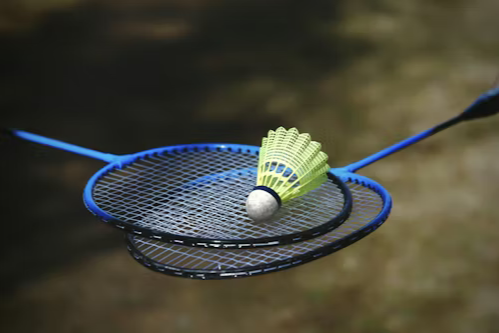
Honest Review of Budget Rackets: Best Affordable Options for Beginners and Casual Players Who Want Performance Without Overspending
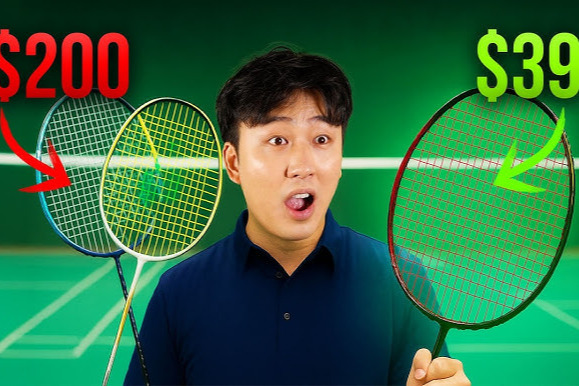
Honest Review of Budget Rackets
If you’ve ever stood in a sports shop staring at a wall full of badminton rackets, you already know the feeling: everything looks almost the same, yet the prices jump wildly. Some rackets cost as much as a new phone, while others are so cheap you start wondering if they’ll snap on the first smash. I’ve been there more times than I’d like to admit.
This blog isn’t about the high-end, pro-level rackets you see sponsored athletes using. This is about the budget rackets—the ones most of us actually buy. The ones you pick up as a beginner, or when you don’t want to empty your wallet just to enjoy a game with friends. And honestly? Some of them are way better than you’d expect… while others are just cleverly disguised disappointments.
Let me walk you through my experience.
The First Budget Racket I Ever Bought
I still remember my first “serious” badminton racket. Before that, I had only used those generic aluminum rackets you get in a set with a net and plastic shuttlecocks. You know the type—bright colors, soft strings, and zero control.
When I finally decided to upgrade, I had a tight budget. I wasn’t looking for anything fancy, just something that felt better. I walked into a small sports shop, asked for something affordable, and the seller handed me a graphite racket from a brand I had barely heard of.
It cost around the equivalent of 15–20 dollars.
At the time, that felt like a big purchase.
The moment I held it, I noticed the difference. It was lighter, more balanced, and didn’t feel like a toy. When I started playing with it, everything changed—my clears went further, my smashes felt sharper, and even my confidence improved.
Was it perfect? Not even close. But it was enough to make me fall in love with the game.
What Budget Rackets Actually Get Right
Here’s something people don’t always tell you: budget rackets today are much better than they used to be.
Manufacturing has improved. Materials like graphite and carbon composites are now widely available, even in lower price ranges. That means you’re no longer stuck with heavy, clunky rackets unless you’re buying the absolute cheapest option.
1. Surprisingly Good Performance
Some budget rackets genuinely perform well. They might not have the precision or advanced tech of high-end models, but for beginners and casual players, they’re more than enough.
You can still:
- Hit solid smashes
- Control basic shots
- Learn proper technique
In fact, for someone just starting out, a budget racket is often the better choice. It forces you to develop skill instead of relying on equipment.
2. Durability (Sometimes)
Ironically, some budget rackets are tougher than expensive ones. High-end rackets are often designed for performance, not abuse. Budget rackets, on the other hand, are sometimes built like tanks.
If you’re the type who accidentally clashes rackets during doubles (we’ve all done it), a cheaper racket might survive longer.
3. Accessibility
This is the biggest win. Budget rackets make badminton accessible. You don’t need to spend a lot to start playing, and that matters more than anything else.
Where Budget Rackets Fall Short
Now let’s be honest—budget rackets aren’t magic. There are clear compromises.
1. Inconsistent Quality
This is probably the biggest issue. Two rackets that look identical can feel completely different.
One might feel balanced and responsive, while another feels stiff and lifeless. That’s because quality control isn’t always as strict in cheaper models.
It’s a bit of a gamble.
2. Strings and Tension
Most budget rackets come pre-strung with low-quality strings at low tension. This affects everything—control, power, and feel.
If you’ve ever wondered why your shots feel “dull,” it’s probably the strings.
The good news? Restringing can completely transform a budget racket. A decent string job can make a cheap racket feel twice as good.
3. Limited Technology
You won’t find advanced features like vibration dampening systems, aerodynamic frames, or ultra-lightweight builds.
But here’s the truth: most beginners don’t need those anyway.
My Experience Testing Different Budget Rackets
Over time, I’ve tried quite a few budget rackets—from well-known brands to random ones I found online.
Some stood out in a good way. Others… not so much.
There was one racket I bought purely because it looked cool. Matte black frame, bright accents—it felt premium just by appearance. But once I played with it, I realized it was heavily head-heavy in the worst way. My arm got tired quickly, and my control suffered.
Lesson learned: looks can be deceiving.
On the other hand, I once picked up a very plain-looking racket from a lesser-known brand. Nothing flashy, no marketing hype. But when I played with it, everything just clicked. It felt balanced, responsive, and easy to use.
That racket ended up becoming my go-to for months.
Choosing the Right Budget Racket
If you’re planning to buy one, here’s what I wish someone had told me earlier.
1. Don’t Chase Brands Blindly
Big brands do make good rackets, but not every budget model from a famous brand is worth it. Sometimes you’re paying for the logo.
Look at the specifications, not just the name.
2. Pay Attention to Weight and Balance
Even in budget rackets, these matter.
- Head-heavy: more power, less control
- Head-light: more control, faster swings
- Even balance: a mix of both
If you’re unsure, go for even balance. It’s the safest choice.
3. Consider Restringing
I can’t stress this enough. A simple restring can dramatically improve your experience.
It’s one of the best upgrades you can make without buying a new racket.
4. Comfort Over Hype
If possible, hold the racket before buying. See how it feels in your hand. Comfort matters more than specs on paper.
Are Budget Rackets Enough?
This is the question I get asked a lot.
And the answer is: yes… up to a point.
If you’re:
- A beginner
- A casual player
- Someone playing for fun or fitness
A budget racket is more than enough.
But if you start playing seriously—training regularly, competing, refining technique—you’ll eventually notice the limitations.
That’s when upgrading makes sense.
The Upgrade Dilemma
Here’s the tricky part. Once you get used to playing, you’ll start wondering if a better racket will improve your game.
And honestly? It might.
But it’s not a magic solution.
I’ve seen players with expensive rackets lose to others using basic ones. Skill still matters more than equipment.
Upgrading should feel like a step forward, not a shortcut.
Final Thoughts
Budget rackets are often underestimated. People assume cheap means bad, but that’s not always true.
Some of my most enjoyable games were played with rackets that cost less than a meal at a restaurant. They weren’t perfect, but they didn’t need to be.
They got the job done.
They helped me improve.
And most importantly, they made the game fun.
If you’re just starting out or playing casually, don’t overthink it. Pick a decent budget racket, maybe invest a little in restringing, and just play.
Because at the end of the day, it’s not about having the best racket.
It’s about enjoying every rally, every smash, and every moment on the court.
And honestly? A good budget racket is more than capable of giving you that.
Related Post
Best Badminton Rackets for Beginners in 2026: My Personal Journey from Frustration to Finding the Right Start
When I first picked up a badminton racket, I didn’t really know what I was [...]
How to Choose the Right Racket for Kids (2026 Guide – Easy & Practical Tips)
Last updated: March 2026 | Beginner-friendly guide for parents I still remember the first time [...]